
Here is how to elevate boring boiled vegetables
Boiling is the starting point, not the end. A few small changes turn waterlogged, bland vegetables into something worth eating.
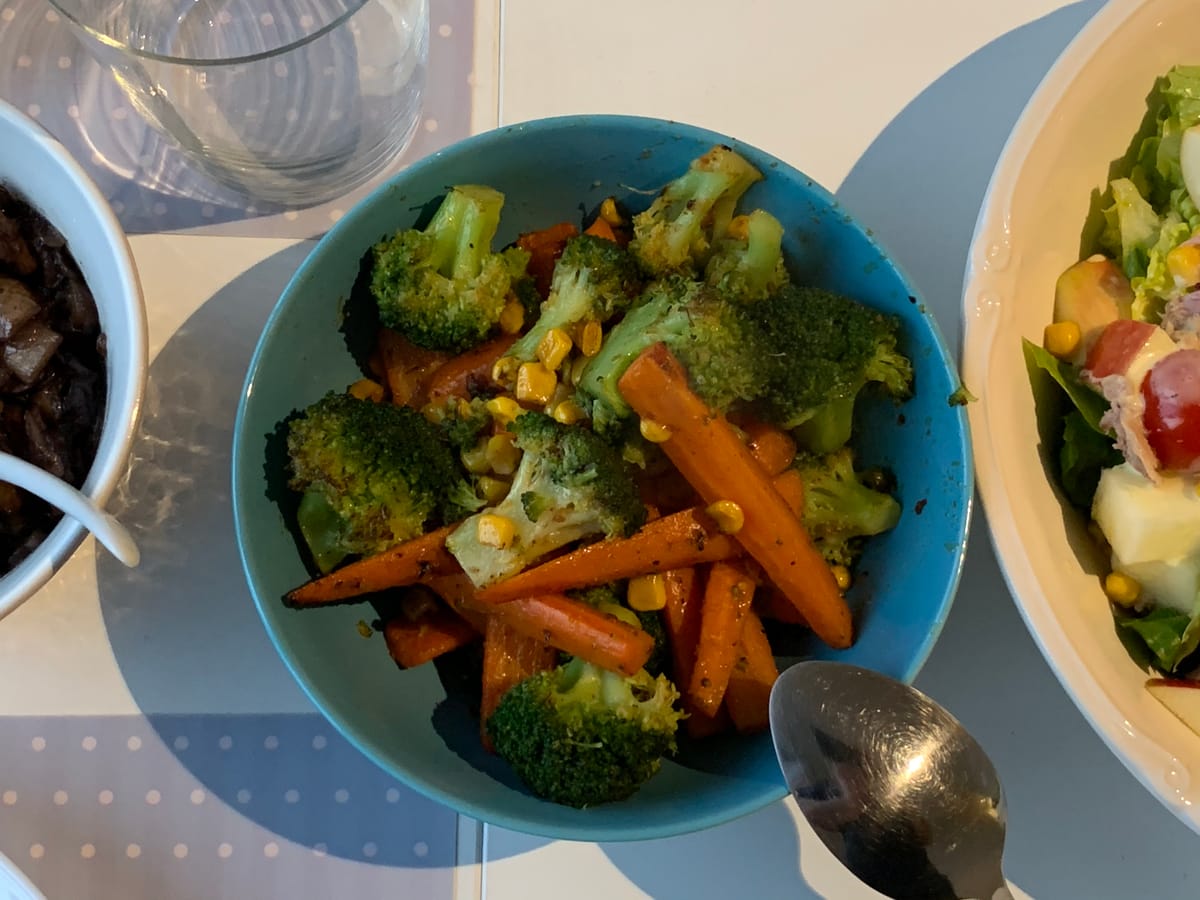
Boiling vegetables is the right starting point. It's fast, it requires no skill, and it gets the cooking done. The problem is when it becomes the only step. Vegetables that go straight from pot to plate tend to be waterlogged, bland, and forgettable. That's not a boiling problem. That's a stopping-too-soon problem.
The good news is that boiled vegetables are actually a great base. They're already cooked through, which means a short second step in a hot pan is all you need to turn them into something worth eating. Here's what actually makes a difference.
Don't overcook them in the water
This is where most of the damage happens. Vegetables that go soft and mushy in the pot have nowhere to go but worse. Pull them slightly early. You want them just tender, still with a little resistance. The residual heat after you drain them will finish the job on its own.
If you want them to stay firm and bright (say, green beans or broccoli for a salad), go straight from the boiling water into an ice bath. Cold water stops the cooking immediately and locks in both the colour and the crunch. It's worth doing if texture matters to you.
Sear them after
This is the actual upgrade. Get a pan hot, add a tablespoon of olive oil, and give the drained vegetables two to three minutes of direct contact with the heat. You're looking for a little colour on the edges, not a full fry. While they're in the pan, add dried garlic, paprika, salt, and pepper. The spices toast against the hot oil and coat the vegetables properly, which is different from seasoning them in water where everything washes off.
The caramelisation you get from those few minutes changes the flavour completely. The vegetables stop tasting like they've been boiled.
Add a knob of butter at the end
If you want a bit of richness and shine, a small knob of butter at the very end of searing does it. Add it in the last thirty seconds, let it melt around the vegetables, and pull the pan. Don't add too much. You want a light coating, not a pool of fat.
Corn adds something useful
A handful of corn (tinned and drained is fine) thrown into the pan with the other vegetables gives a sweet contrast that makes the whole thing more interesting. It works particularly well alongside broccoli and green beans where everything else is savoury and slightly bitter. You don't need much.
Potatoes are their own thing
Potatoes need to be cooked all the way through in the water first, not pulled early. Once they're done, drain them, let them dry for a minute, then slice them in half and put them cut-side down in a hot pan with oil, chilli powder, salt, and pepper. Leave them alone for three to four minutes until the cut side is golden and starting to crisp. That flat surface is where all the texture comes from. Don't move them around.
Boiled then seared vegetables
Serves 2 | Prep: 5 min | Cook: 10 min
Ingredients
- 300g mixed vegetables (broccoli florets, carrot chunks, green beans)
- 1 tablespoon olive oil
- Half teaspoon dried garlic
- Half teaspoon paprika
- Salt and pepper
- Small knob of butter (optional)
Method
Bring a pot of salted water to a boil. Add the vegetables and cook until just tender (3 to 5 minutes depending on thickness). Drain well and pat dry with a clean cloth or kitchen paper.
Heat a pan over high heat and add the olive oil. Once hot, add the vegetables in a single layer. Season with dried garlic, paprika, salt, and pepper. Sear for 2 to 3 minutes without stirring too much, letting some colour develop on the edges.
If using butter, add it in the last 30 seconds and toss to coat. Serve immediately.