Types of Ravioli Sauces (And Which Filling They Work With)
Brown butter, goat cheese, tomato, cream, pesto. The sauces that work with ravioli and the one rule that ties them all together.

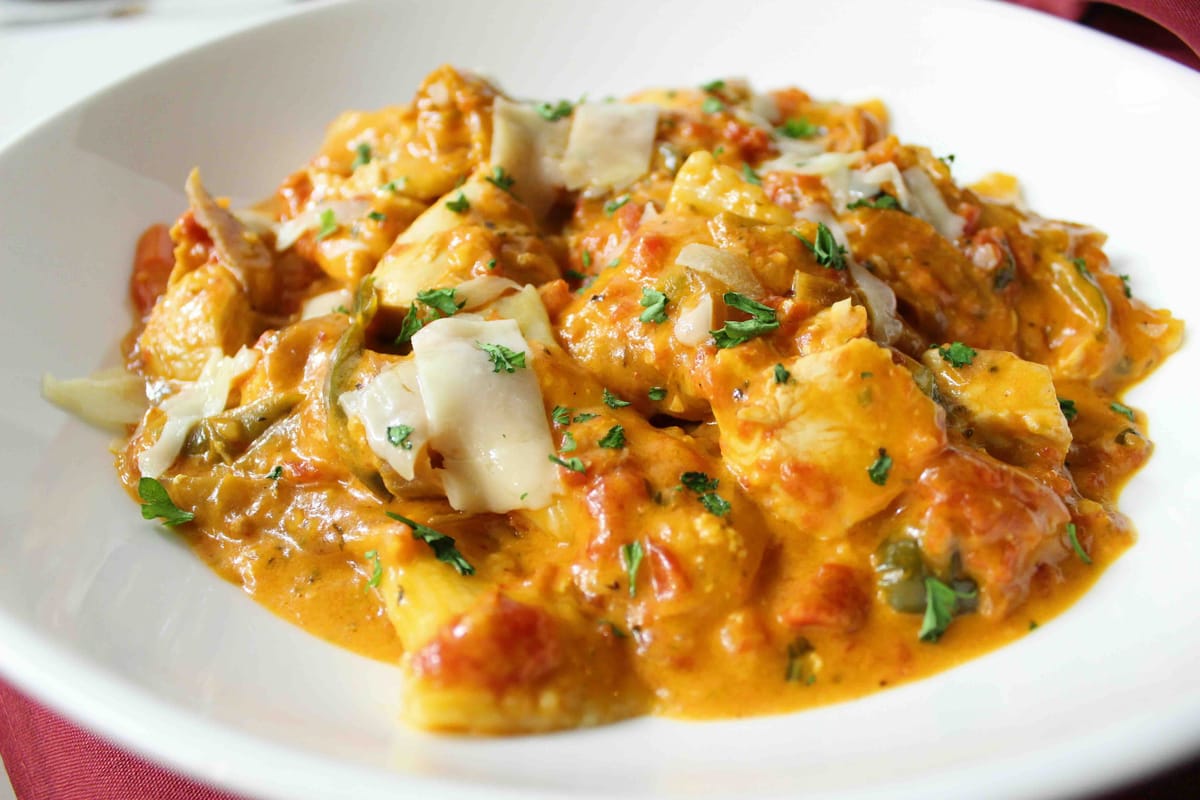
The sauce you put on ravioli matters more than it does with most pasta shapes. The filling is already doing a lot of the flavour work, so the sauce has one job: complement what's inside without drowning it.
The right sauce depends on the filling. Here is how to think about it.
Brown butter
The simplest and most versatile option. Melt butter in a pan over medium heat and keep going until it turns a light golden colour and smells nutty. That's it. The browning changes the flavour completely, taking it from plain dairy fat to something with depth and a slightly caramelised edge.
Works with almost every filling. Particularly good with cheese-based fillings (ricotta, goat cheese), mushroom, and butternut squash. Add a few sage leaves while the butter browns and you have one of the classic Italian combinations.
Ratio: about 20 to 25g of butter per serving. Any more and it starts to feel heavy.
Goat cheese butter sauce
A step up from plain brown butter. Crumble soft goat cheese into the finished butter and let it melt in, adding a splash of pasta water to bring it together. The sauce goes slightly creamy without being a cream sauce. The sharpness of the goat cheese cuts through the richness of the butter.
This is the sauce we use most on this site. There's a full recipe here if you want the exact method and quantities.
Good for: cheese ravioli, spinach ravioli, caramelized onion fillings.
Tomato sauce
A simple tomato sauce works well as long as it's not too thick or heavily spiced. A light marinara (olive oil, garlic, crushed tomatoes, basil) lets the filling be the main event. Heavy meat sauces or arrabbiata can overwhelm more delicate fillings.
Good for: meat-filled ravioli, spinach and ricotta, vegetable fillings.
Avoid with: mushroom or truffle ravioli, where the acidity of the tomato fights with the earthy notes in the filling.
Cream sauce
Works when the filling is relatively light. A simple reduction of cream with a little garlic and parmesan. The richness of the cream pairs well with vegetable fillings that need support but can make cheese-heavy ravioli feel too much.
The risk with cream sauces is going too heavy. Keep the sauce thin. It should coat the pasta, not sit in a pool beneath it.
Good for: spinach ravioli, vegetable fillings, lighter cheese combinations.
Olive oil and garlic
The lightest option. Warm olive oil slowly with crushed garlic until fragrant, add a splash of pasta water, toss the ravioli through it. Works best when you want the filling to speak entirely for itself, or when you're serving a very rich filling and want the sauce to stay out of the way.
Good for: truffle ravioli, lobster ravioli, any premium filling where the sauce should be a vehicle rather than a contributor.
Pesto
Works as a quick weeknight option, particularly with supermarket ravioli. The basil and pine nut flavour pairs well with cheese and vegetable fillings. Loosen it slightly with pasta water so it coats rather than clumps.
Not the most elegant option. Pesto is punchy and will dominate more delicate fillings. Use it when you want something fast and flavourful rather than refined.
Good for: cheese ravioli, spinach ravioli.
The general rule
Rich filling, light sauce. Light filling, the sauce can do more work. If the filling has truffle, cream, or lobster in it, the sauce should step back. If the filling is a plain ricotta, the sauce has room to bring more flavour.
Brown butter is the right default when you're not sure. It's fast, it works with almost everything, and it doesn't require any decisions.
The ravioli posts on this site
- The best sauce for ravioli: the goat cheese butter sauce in full
- Goat cheese and caramelized onion ravioli: how to make the filled pasta from scratch
- Mushroom truffle ravioli in a butter sauce: supermarket truffle ravioli with brown butter
- What to serve with ravioli: sides that work alongside it