Dinner for One Ideas & what I Actually Cook When It's Just Me
Thirteen real dinner for one ideas from someone who actually cooks for one most nights. Pasta, pan-fried protein, lentils, eggs, plus the single-portion rules nobody writes about properly.

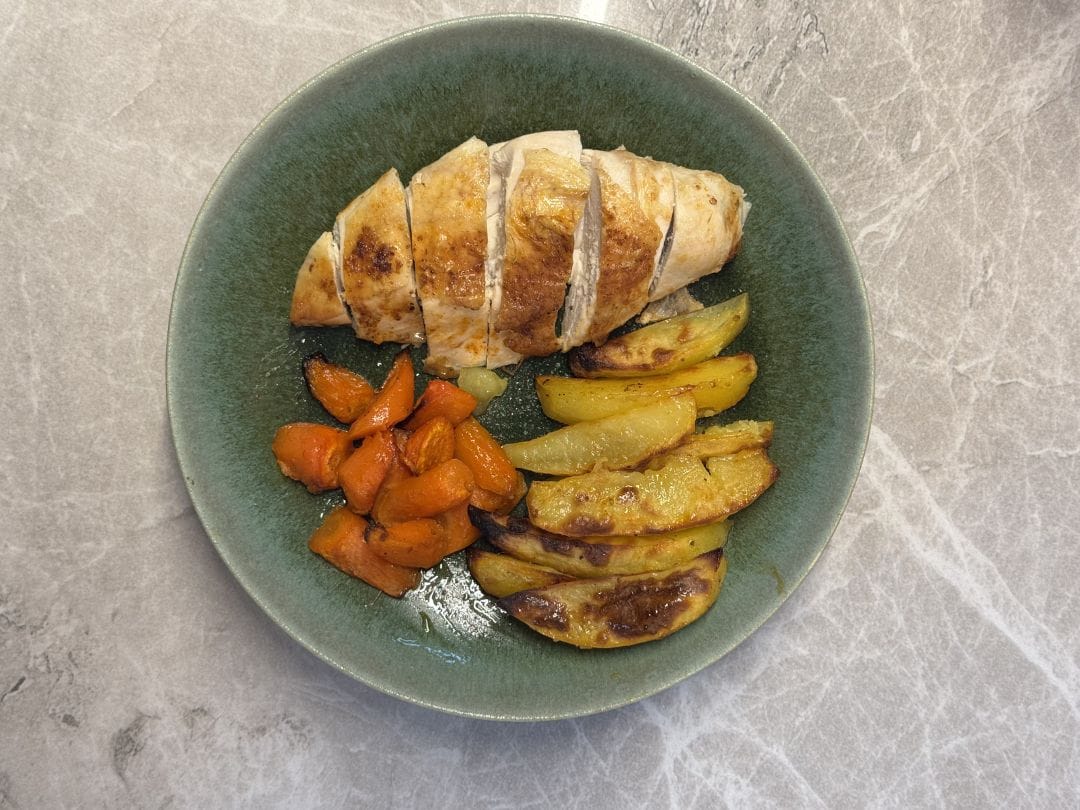
Cooking a dinner for one isn't a downgrade from cooking for four. It's a different sport with its own rules. I learned them the way most people do: badly, in a flat with not enough furniture and not enough money to fix that.
The flat in question came together in a hurry, the way good German rentals sometimes do (someone you know tells you they want to move, and you pick up). The bed hadn't arrived yet because the delivery slot was...well not as flexible? Not as digital? Not there.
The kitchen was a kitchenette: two induction burners, a sink and a small fridge. But that was fine, it was just me there so no biggie.
I came back from IKEA with the basics (pots, pans, forks, knives, knife sharpener, towels, blankets everything and anything). Then because now I had everything, and it was getting late on a Saturday, which if any of you know Germany, it means supermarkets are practically raided of most of the fresh stuff. So I had to pick up the basics: pasta, can of tomatoes. That was dinner one and I ate it standing at the kitchen counter because there wasn't a table yet. It was a great dinner.
I've been cooking for one as a default ever since, and most of what I know about cooking I learned in that flat and the few that came after. So when "dinner for one ideas" gets googled at half past seven on a Tuesday, this is the post I wish existed: real solo dinners, written by someone who actually does this most nights, with the things nobody tells you about cooking for one tucked into the middle.
Let's define why these dinners for one are a thing
Most dinner-for-one listicles are 4-portion recipes with the word "halve" stapled on. That isn't solo cooking. Halving a recipe meant for a family ends up wasting half a tin of something, leaves you with a fridge full of half-onions, and ALL OF US know what that means: it will get dried up and eventually thrown away.
Cooking for one as a default is different. The recipes are built around what one person actually uses up in one sitting. The portions are honest. The leftovers are managed on purpose, not by accident. You stop assuming every dinner needs to be the centrepiece of a family meal. You also stop pretending that solo dinner is automatically "lazy" or "depressing", because it isn't.
The good news is most of the cooking is easier this way. One pan. One pot. Twenty minutes. Real ingredients you actually finished.
Thirteen dinners for one
In active rotation, and they all scale to one without weird workarounds. Most of them I've cooked in three different flats by now. Even now, that I am a parent, when I work from home, I do launches for one with this thinking process.
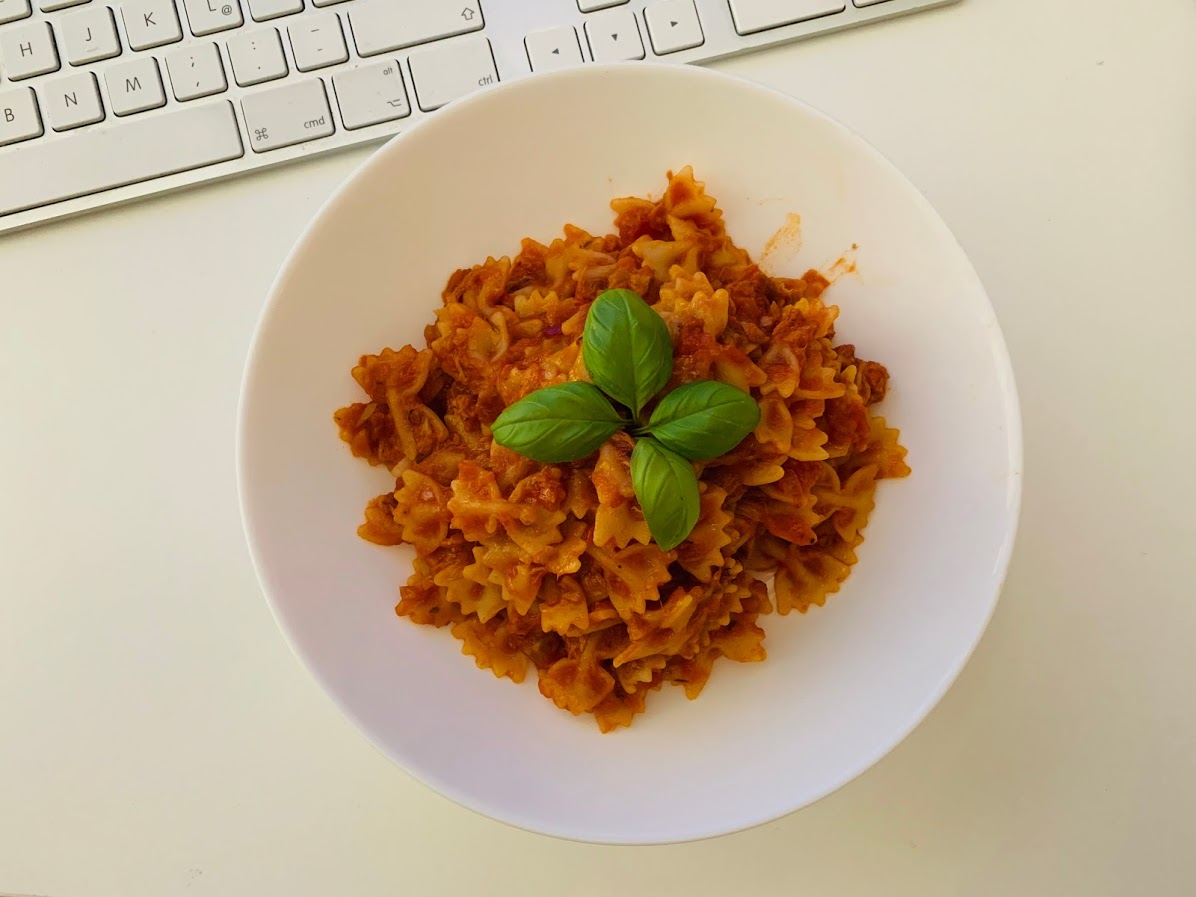
Tuna tomato pasta with canned goods. Two cans, one pan, twenty minutes. The cheapest hot dinner I know how to make.
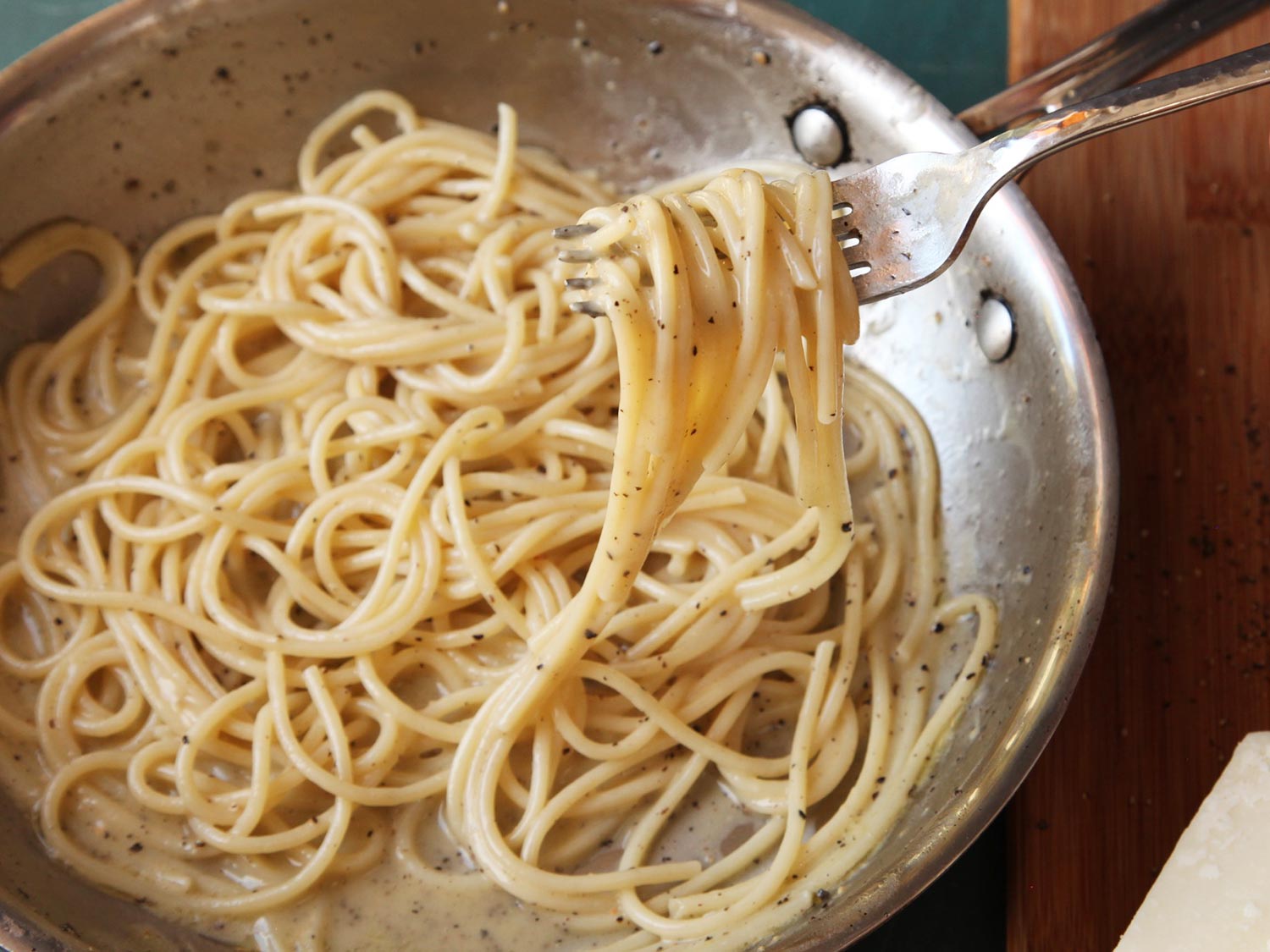
Cacio e pepe. Three ingredients, fifteen minutes, single-portion native. Pasta, pecorino, black pepper, a splash of pasta water. Looks like you tried harder than you did.
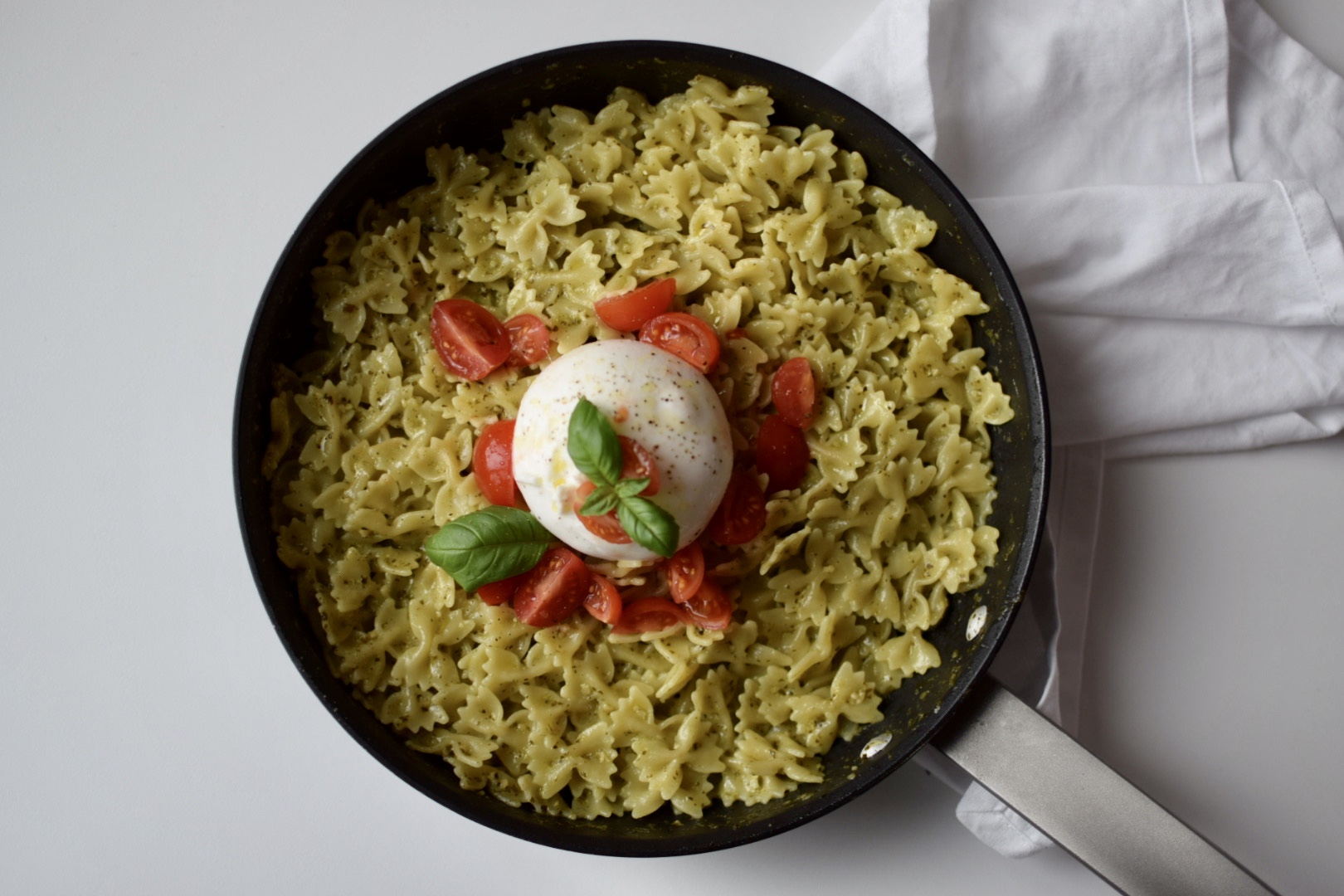
Pesto, tomato, and burrata pasta. The "I have a jar of pesto" dinner. Boil pasta, toss with pesto, add a tomato or a piece of burrata if there's one in the fridge. Assembly more than cooking.
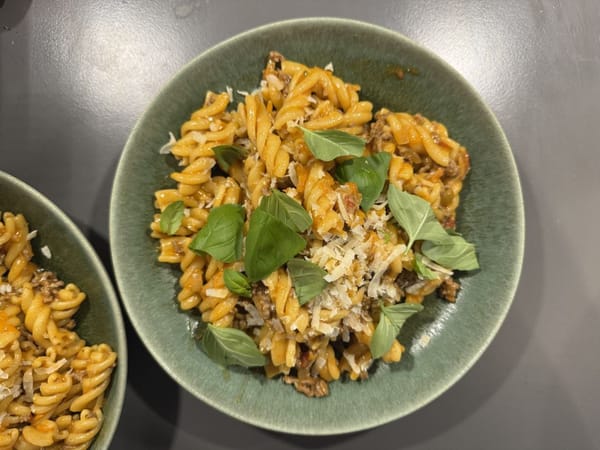
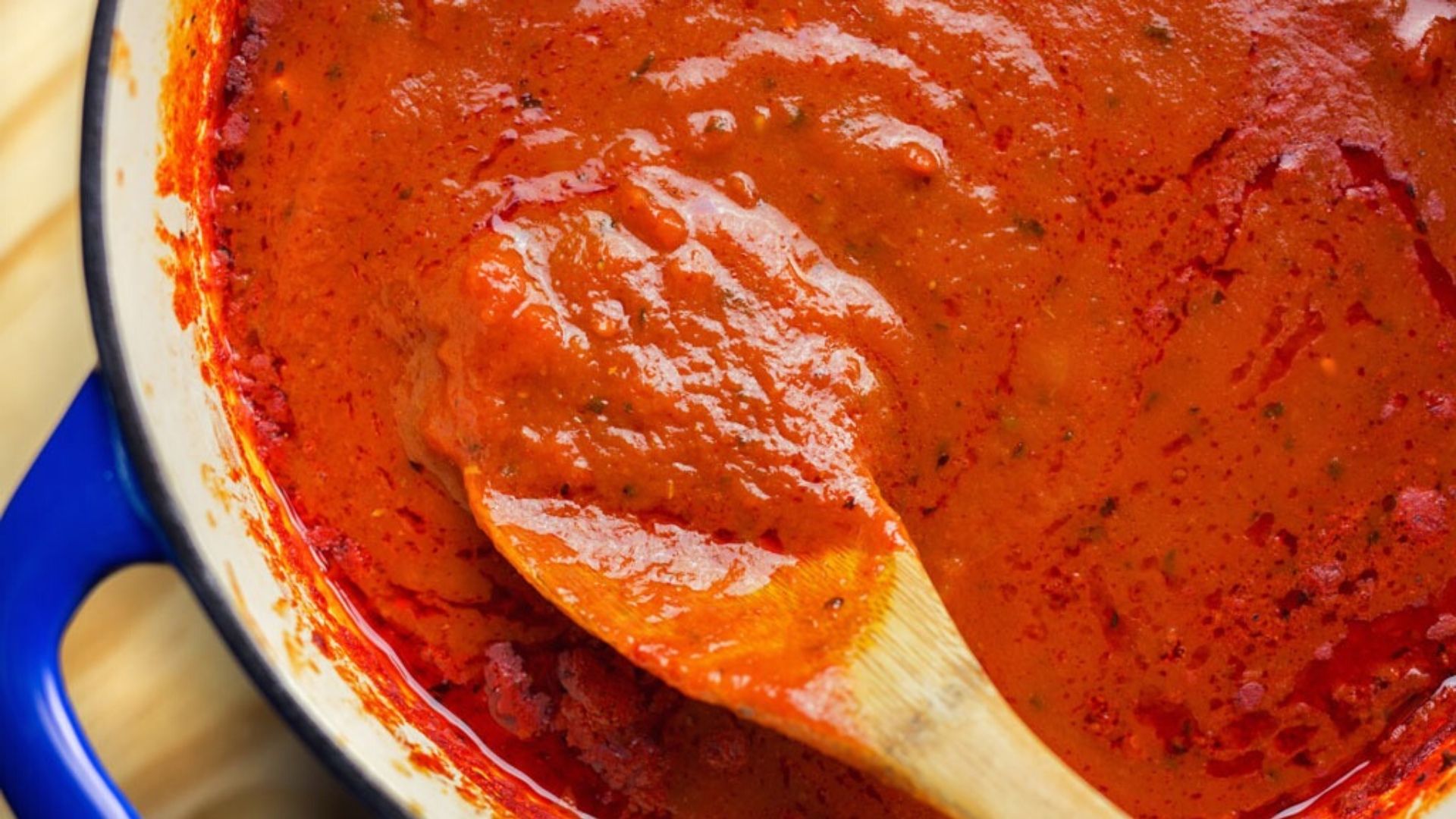
Marinara night. Make the sauce from a tin of tomatoes, garlic, olive oil, dried herbs. Boil pasta. The sauce freezes well in single portions, which means every batch you make is two more dinners pre-built.
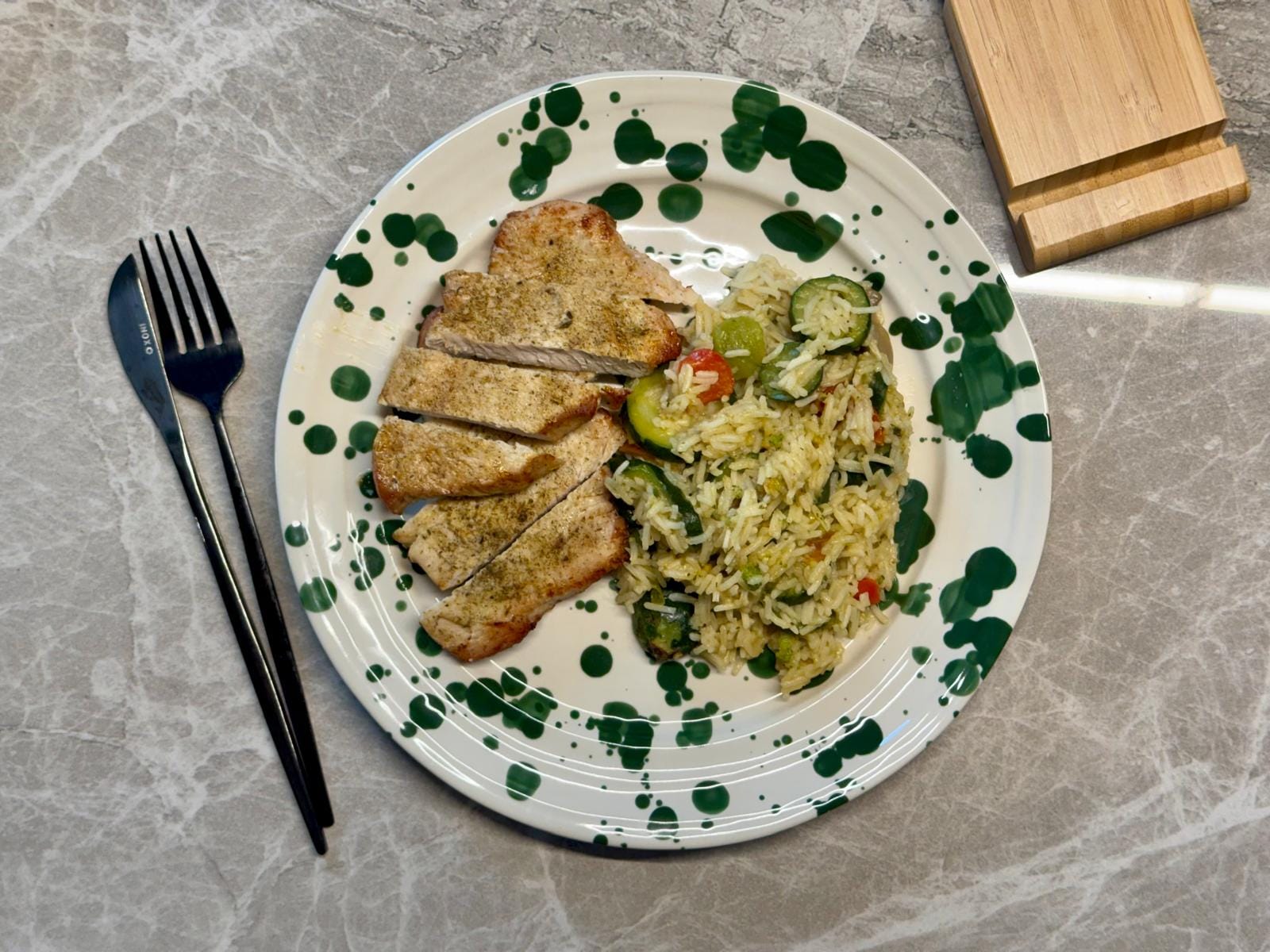
Air-fryer turkey breast with rice. The high-protein single-portion dinner. 555 kcal, 74g of protein, twenty-five minutes, one plate. The recipe was built specifically around cooking for one in an air fryer (which is the most underrated kitchen tool for solo cooks).
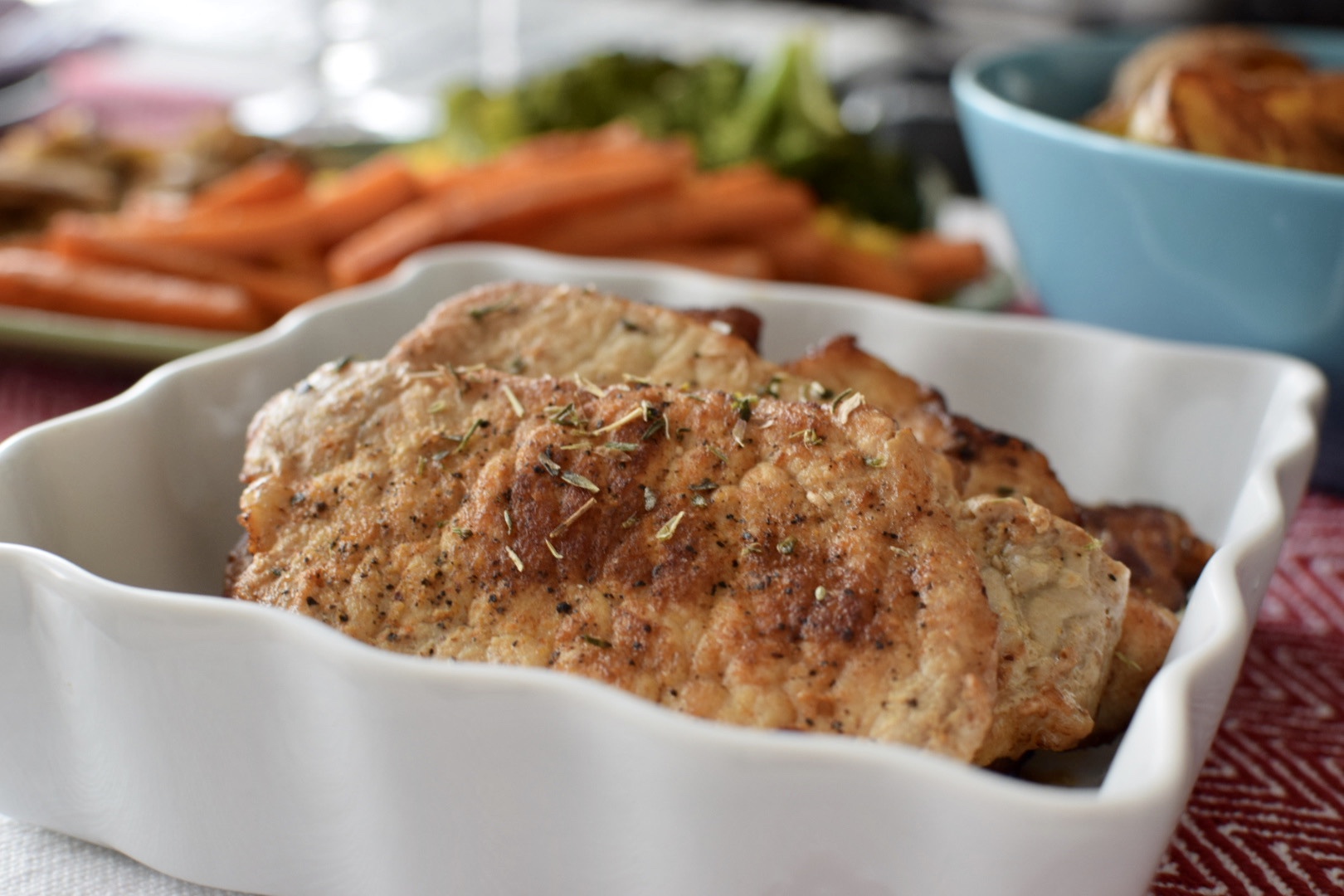
The simplest pan-fried pork fillet. One thin fillet, four minutes a side, rest. Pork is one of the cheapest cuts in most European supermarkets and it cooks in the time it takes to boil pasta or steam a small pile of vegetables.
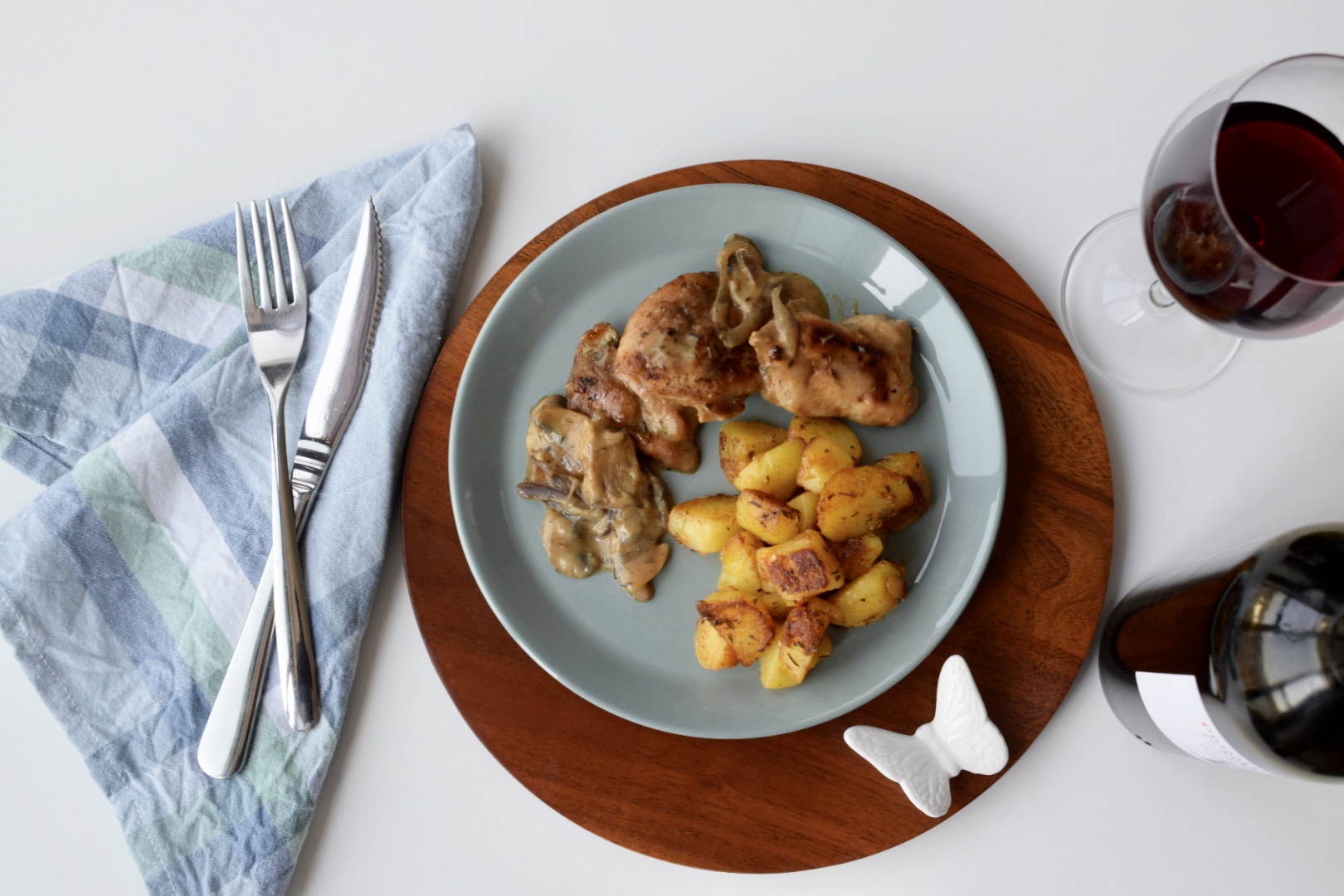
Pan-fried chicken with mushroom sauce. One chicken thigh, mushrooms, a splash of cream, a splash of stock. One pan. Looks like the kind of dinner restaurants charge nineteen euros for.
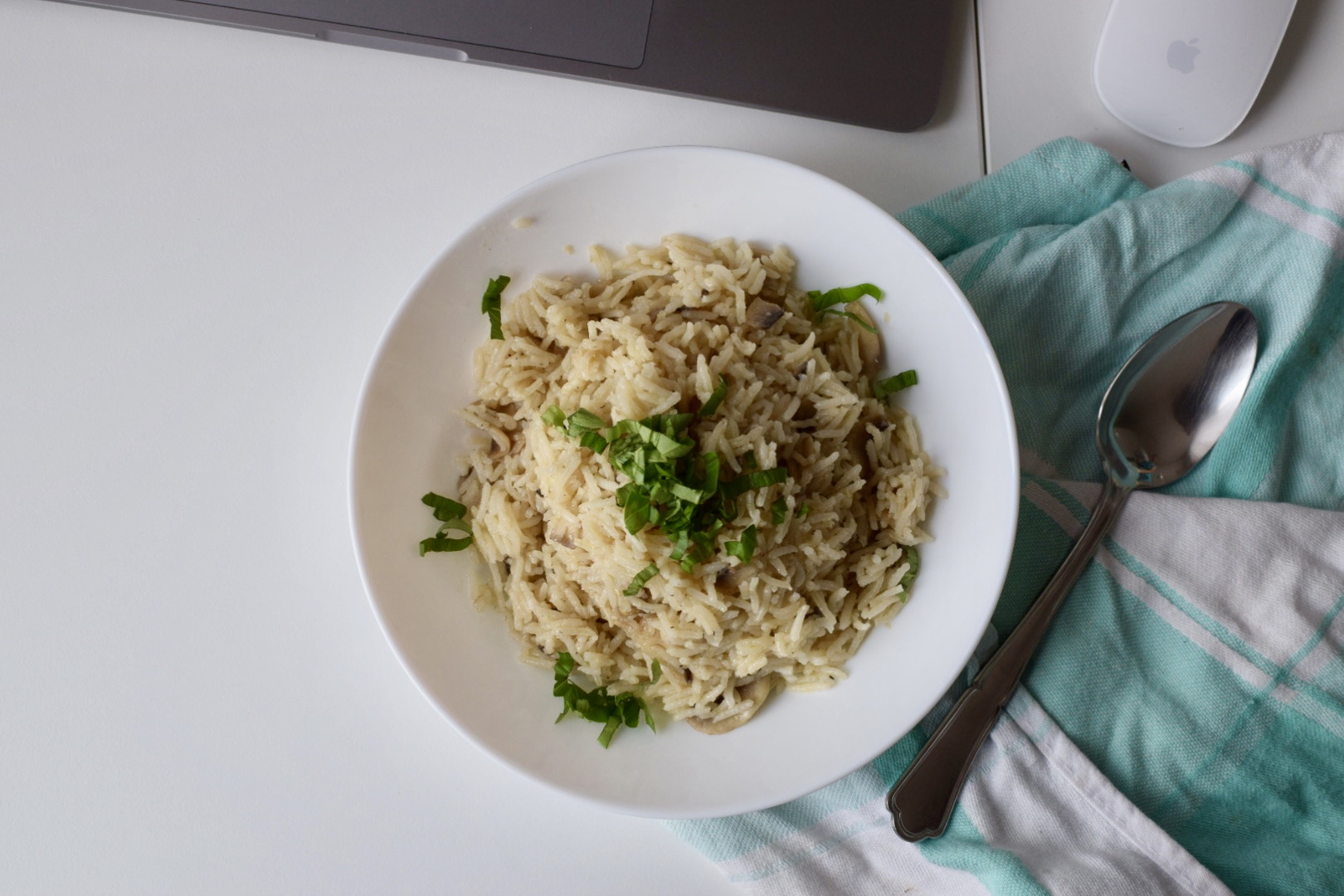
White wine mushroom risotto. Risotto for one is genuinely better than risotto for four, because you can finish it the moment it's ready. Stir for twenty minutes while you check your phone. Eat immediately.
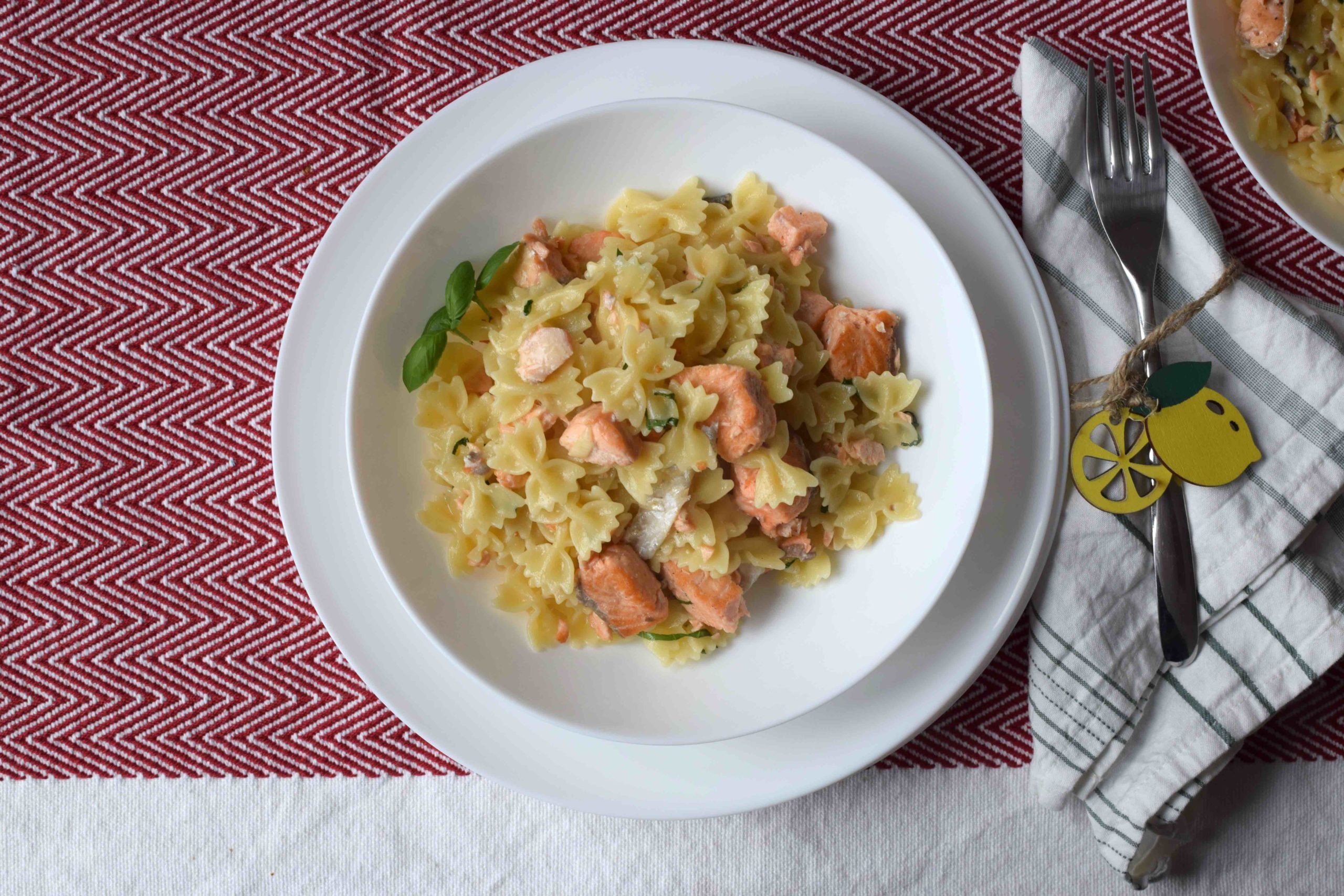
Salmon pasta with canned salmon. The Friday upgrade. A tin of decent canned salmon (or a single discounted fillet from the supermarket reduced shelf), pasta, butter, lemon, pepper. Costs maybe twice what tuna pasta costs and tastes worth it.
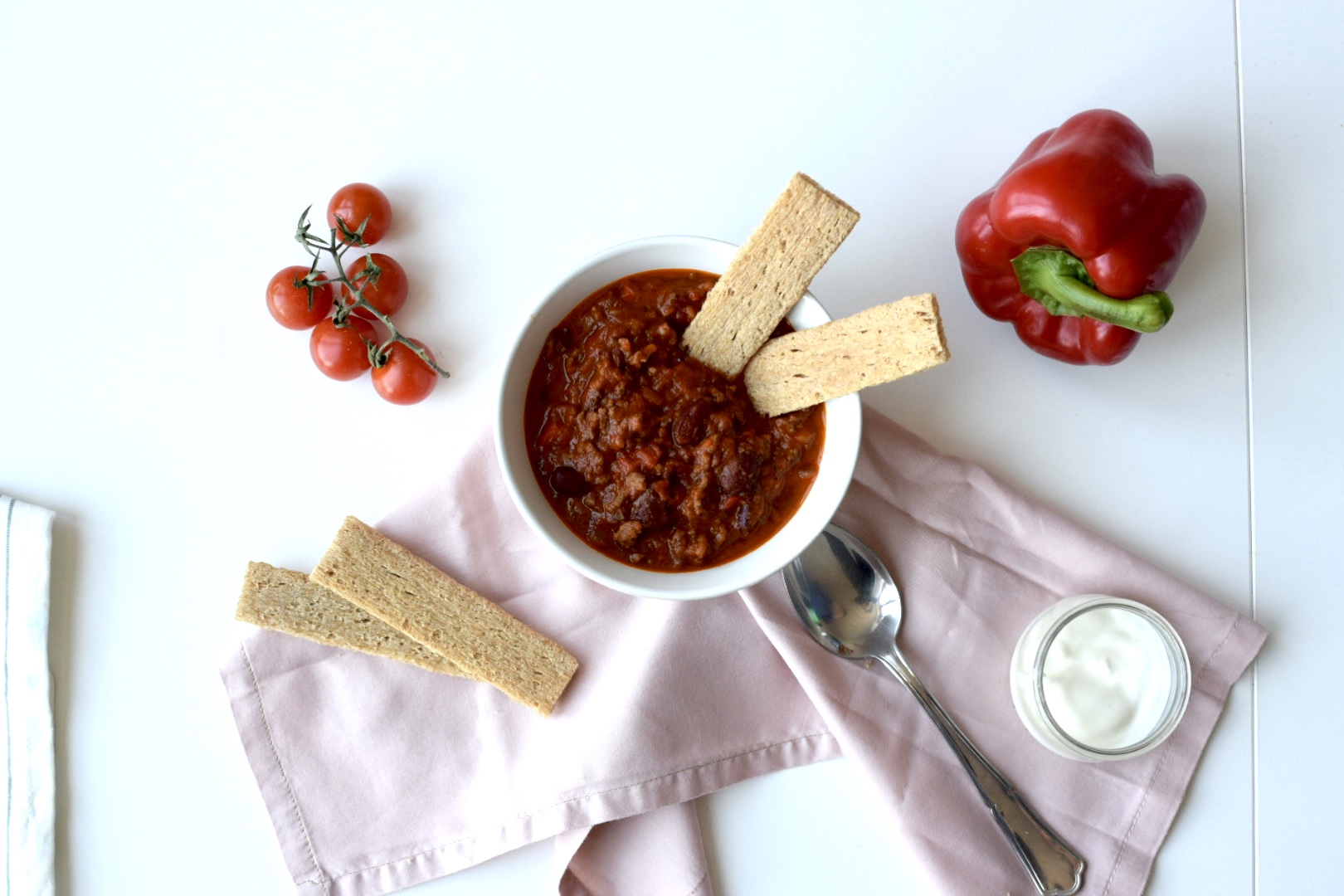
Chili con carne. Cans of beans, cans of tomatoes, mince if you have it. Cook a small batch in a small pot. Eat half tonight, freeze the other half in a single portion for next week. Solo cooking and the freezer are best friends.
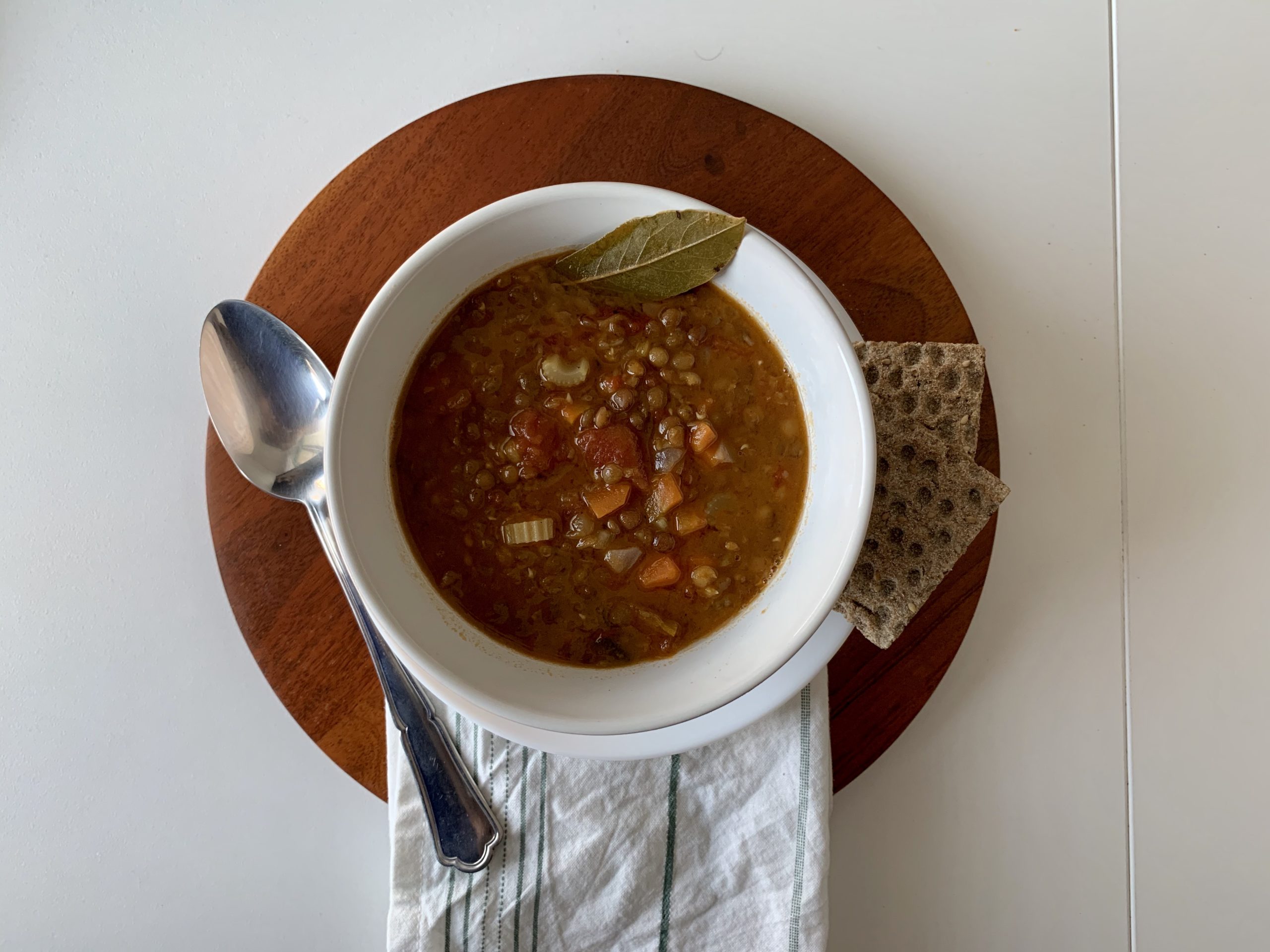
Easy lentil soup. Cook one portion (one, not twelve, learn from my mistakes). Lentils, soup vegetables, canned tomatoes, stock. The cheapest hot dinner that isn't pasta.
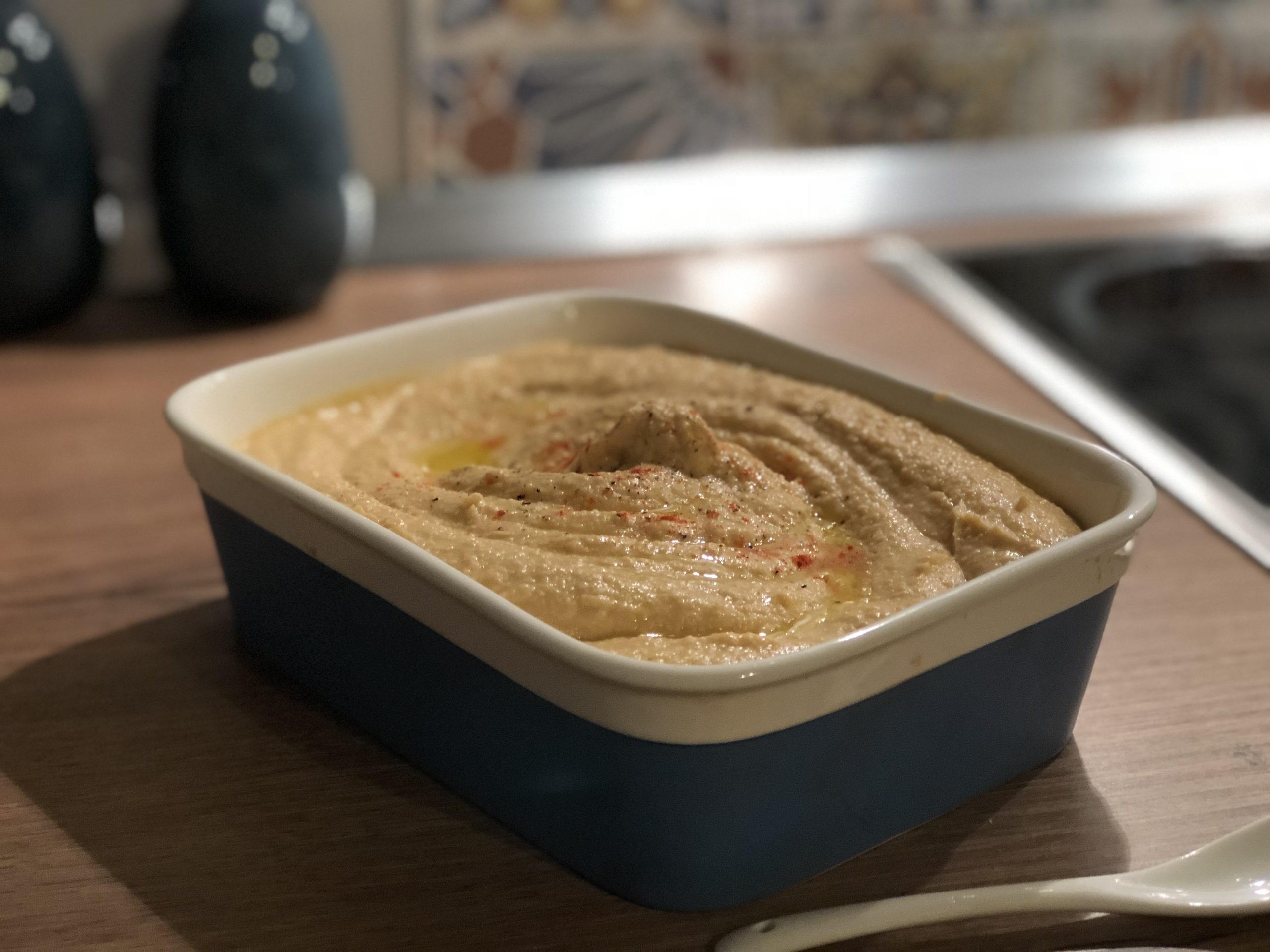
Simple homemade hummus. The no-cook entry. A can of chickpeas turns into a bowl of hummus in two minutes. With bread and a tomato, that's dinner. Especially in summer when even turning the stove on feels excessive.
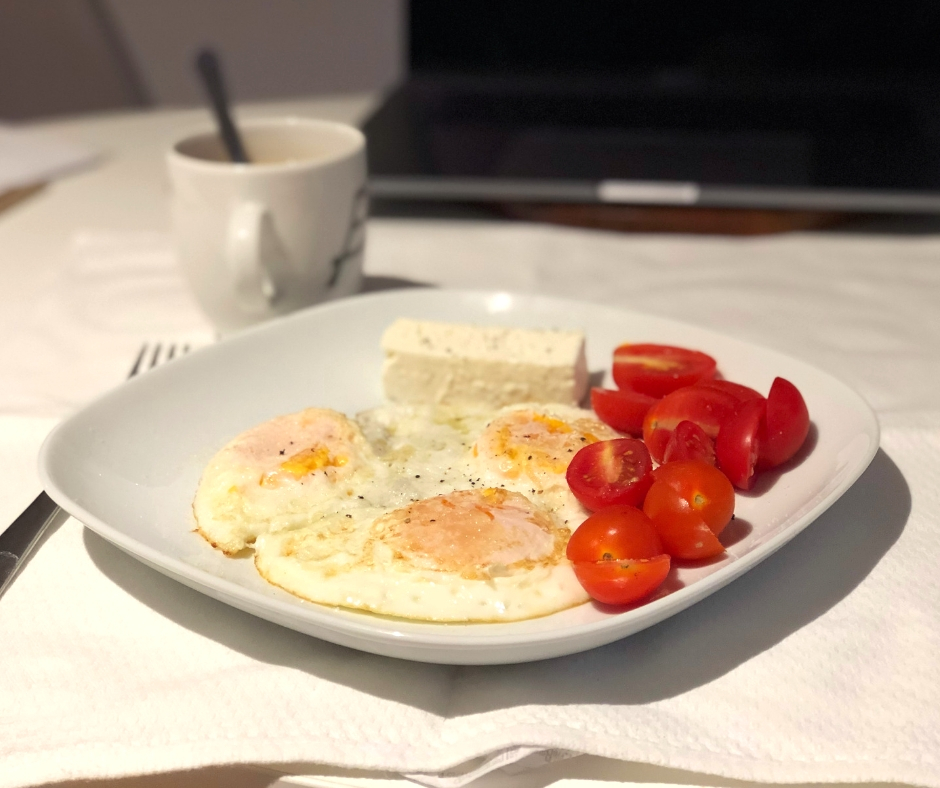
Eggs, cheese, tomatoes. Not a recipe. A principle. Half my solo weeknights live in this triangle. If you can crack an egg and melt a piece of cheese onto it, you have dinner. Add a tomato and it's a real one.
That's thirteen. There are more. These are the ones I cook without thinking, in any kitchen, including the one with the unassembled IKEA furniture .
The five rules for surviving dinners for one
- A tin of tomatoes is half a recipe. Use the whole tin. Don't try to use a quarter and then watch the rest go grey at the back of the fridge by Sunday.
- Make a small batch, eat half, freeze half in one-portion containers. A single jar of marinara becomes four dinners. Half a chicken breast goes into the freezer, not the bin.
- Eggs are the most flexible cheap ingredient there is. Half an onion, a forgotten tomato, the heel of a cheese block, a handful of yesterday's rice. All of it goes into a pan with two eggs and becomes dinner.
- A small bread costs more per gram and saves more than the difference because you eat all of it before it's stale. Same logic for cheese. Except for wine.
- The recipes built for four assume a family eats them in one go. Cook recipes that were designed for one (or for two with intentional leftovers, or one very hungry person). You have to think about the economics of this, because then obviously, its cheaper to eat out.
Let me throw a bonus rule. When you're cooking for one, you cook the dinner you actually want. Whatever weird combination, however much pepper, however much olive oil, whatever pasta shape, whatever cheese.
It's so freeing when you think about it. And the dinners stop being "what I make when I'm alone" and start being "what I cook because it's good". The frame disappears. It's just dinner.
Dinner for one, the questions people actually ask
What's the cheapest dinner for one?
Tuna tomato pasta. Two cans, one pan, twenty minutes, somewhere around two euros if you shop at Lidl. Lentil soup is a close second if you cook one portion (one, not twelve). Both reheat fine the next day.
How do I stop wasting food when I cook for one?
Stop halving recipes built for four. Cook things that were designed for one portion, use the whole tin when a tin opens, and freeze any honest leftovers in single portions the same night. Half-onions at the back of the fridge are the enemy.
What can I cook for one with no oven?
Most of this list. The kitchenette I learned in had two induction burners and no oven, and twelve of the thirteen dinners above were cooked there. The air-fryer turkey is the only one that needs a real heat source beyond two rings, and an air fryer counts.
Is it cheaper to cook for one or eat out?
Cooking for one is cheaper, but only if you actually finish the ingredients. A bag of pasta, a tin of tomatoes, an onion, a piece of cheese: under three euros, dinner three times. Eating out is cheaper than cooking food you throw away. The trick is not throwing food away.
If you want to continue reading: pantry meals for what to keep on the shelf so dinner is already there, no-oven dinners for what to cook when the kitchen is small, cheap student meals for the budget version of all this, and easy meals to make in a hotel kitchenette if you're cooking somewhere temporary.