Cheap Student Meals That Taught Me How to Cook
The cheap student meals I actually ate in when I was one and still cook now. Twelve real, single-portion dinners under the price of a pizza, with the habits that make cooking for one work.

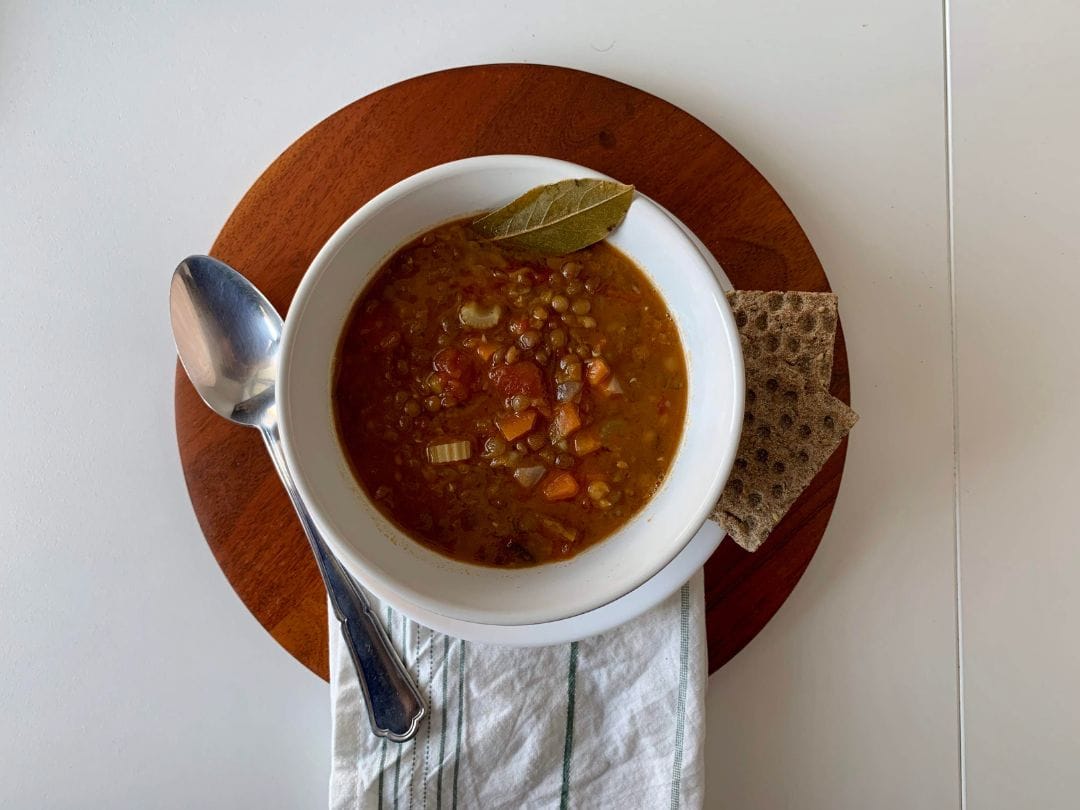
In my second year of university, I once cooked a pot of lentil soup so large that I ate lentil soup for five days straight, and then I didn't eat lentil soup again for almost three years. The pot was the only pot I could borrow, the lentils were on sale, and at the time it felt like a budgetary masterstroke. By Wednesday it was a punishment. By Friday I was negotiating with the soup. By Sunday I had developed a small but real grudge against legumes.
The thing is, the soup itself was fine. Better than fine. I just didn't understand yet that cheap student cooking is not about cooking in massive batches and powering through but about a small set of dinners you can make from cheap ingredients in a single portion, fast, in a kitchen you don't fully control, with a fridge that's mostly empty.
This post is not a meal-prep listicle. Not a 4-portion family recipe in disguise. Real cheap student dinners I actually ate, in the order I learned to cook them, with what I'd cook now if I had to start over with a kitchenette and twenty euros(honestly at this point I don't even know anymore as my weekly grocery bill as an adult is getting more expensive by the week, but lets say 20 our) to last the week.
Cheap means something that costs less than a döner or a pizza
I'm not going to pretend a lentil dinner costs sub-one-euro in 2026 because that's not true anymore in most of Europe. What I will say is that everything below clocks in well under a döner, well under a takeaway pizza, and roughly half the price of the same dish if you ate it out.
Cheap also means: short ingredient list, mostly pantry, mostly forgiving if you're missing one thing. Stuff you can cook in a kitchenette, on two burners, with one pan and one pot. The kitchen of a typical student flat in any European city.
If you want a deeper dive on the pantry side specifically, the pantry meals post covers what to keep on the shelf. This post is about what to actually cook with it on a Tuesday night when you're tired, broke, and don't want to think.
The cheap student dinners I actually ate
Twelve. These are real. Most of them I still cook now, years later, because cheap student food is not a phase you graduate out of. It's just good cooking with a few constraints.
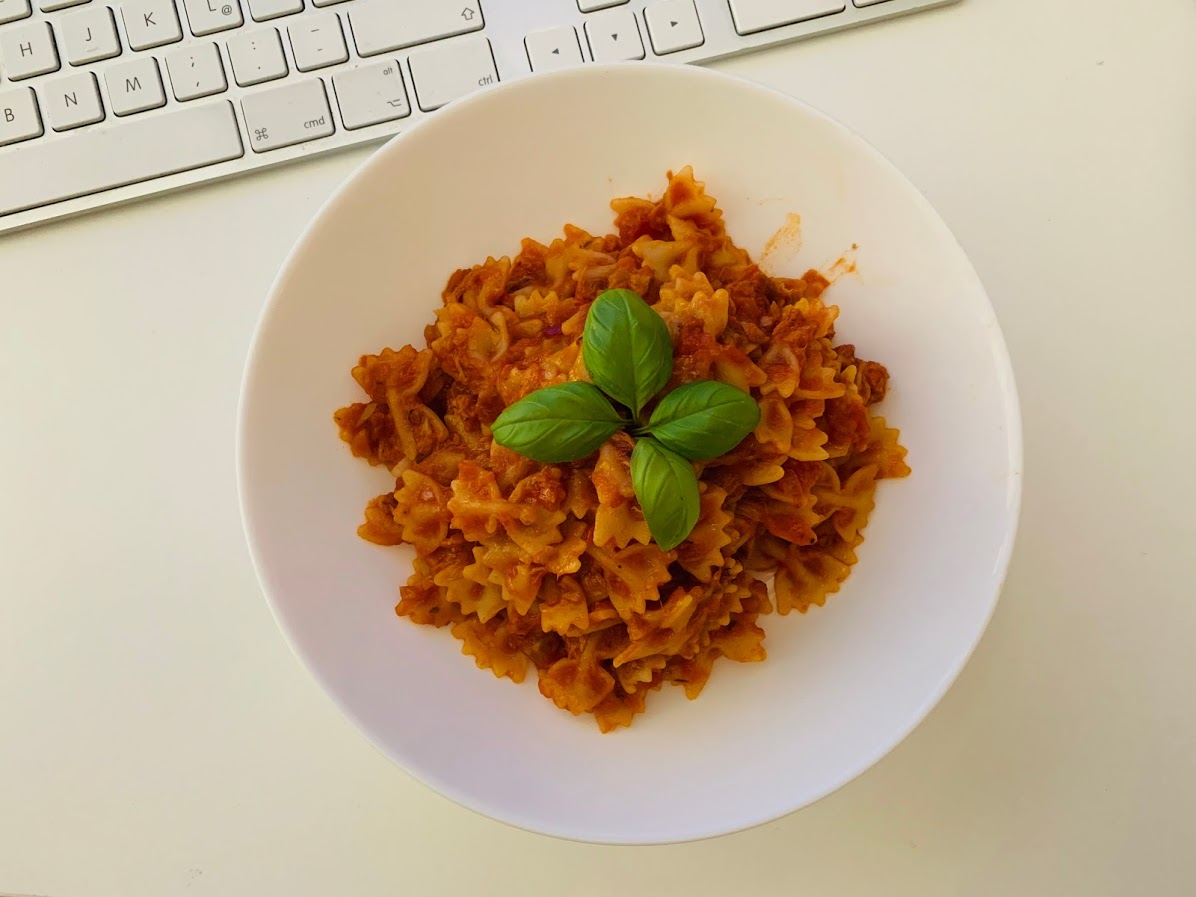
Tuna tomato pasta with canned goods. Two cans, one pan, twenty minutes. The cheapest hot dinner I know how to make. Costs less than a coffee. Eats better than half the things I order out. You can add your favorite protein to it.
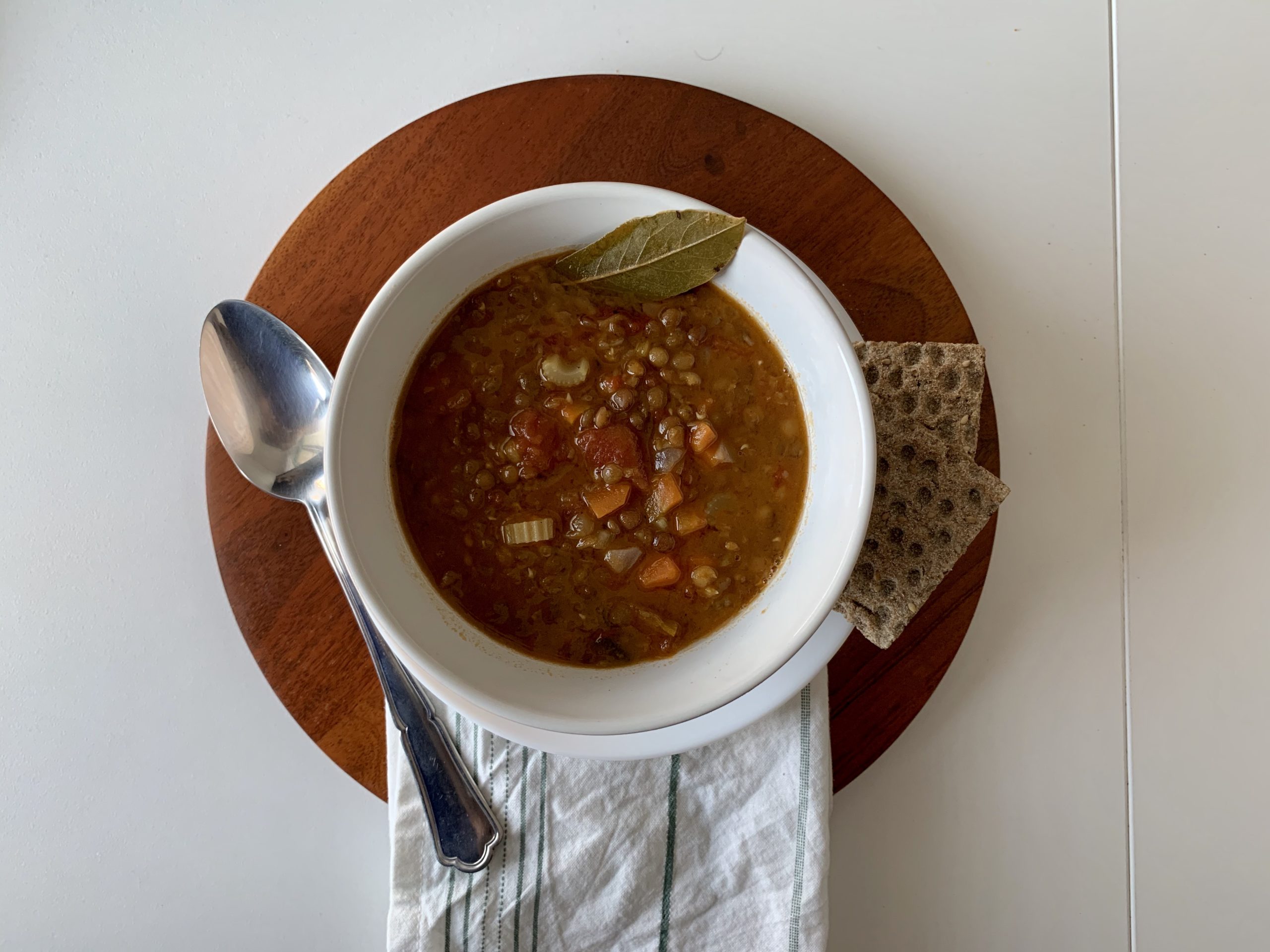
Easy lentil soup. The original. The one that made me hate lentils for three years and then come back. Cook the right amount this time. One portion is one portion. Honestly though, cook a couple of portions, they get better after a night in the fridge.
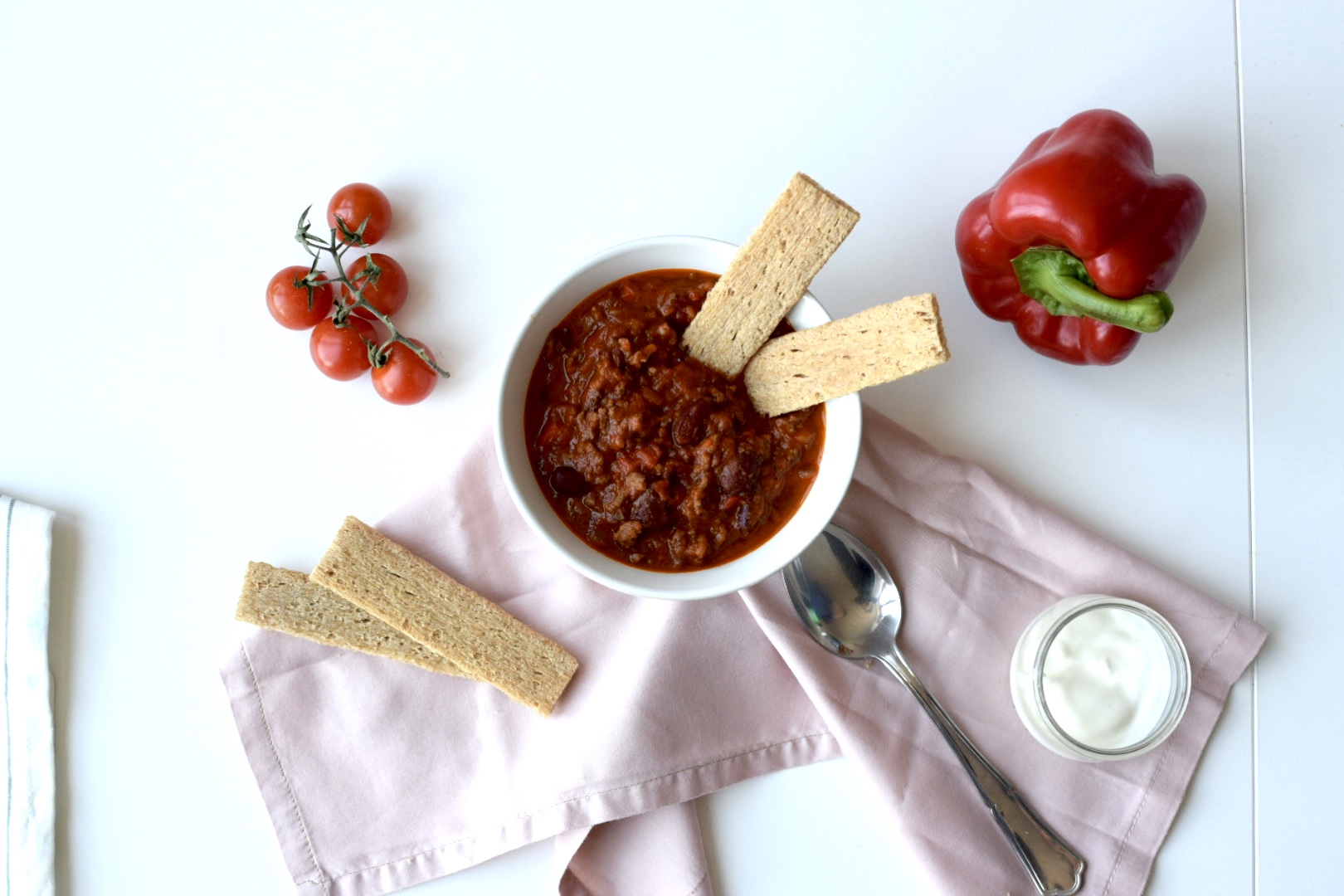
Chili con carne. Cans of beans, cans of tomatoes, cheap mince if you have it, no mince if you don't. The most forgiving stew I know. Leftovers stretch three nights without complaint, and unlike the lentil soup(psychologically speaking), it actually gets better.
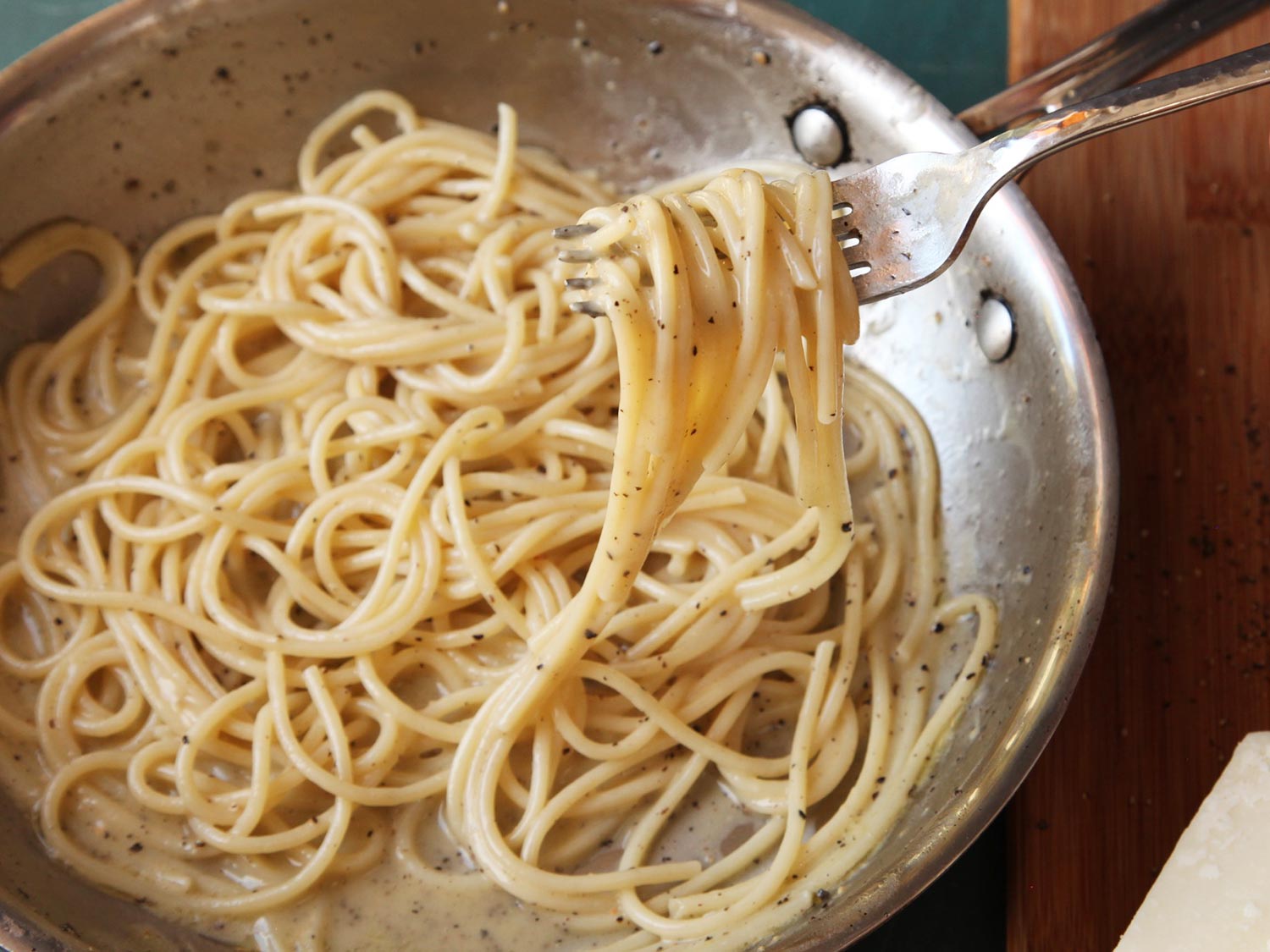
Cacio e pepe. Pasta, pecorino, black pepper, a splash of pasta water. Three ingredients. Looks like you tried harder than you did. Genuinely fancy on a couple of euros.
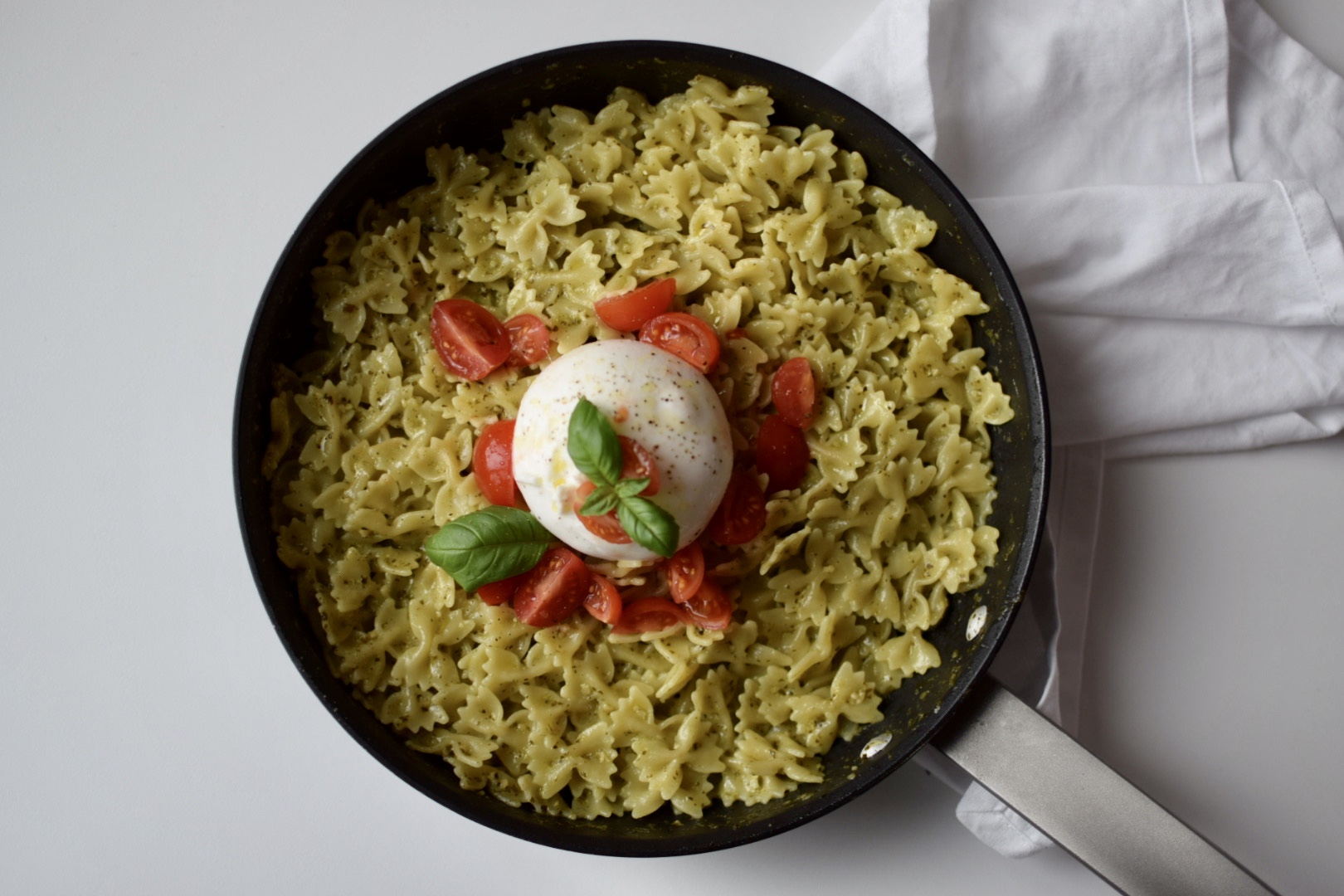
Pesto, tomato, and burrata pasta. The student version skips the burrata and uses just pesto and a tomato. The non-student version adds burrata. Same dinner, different life.
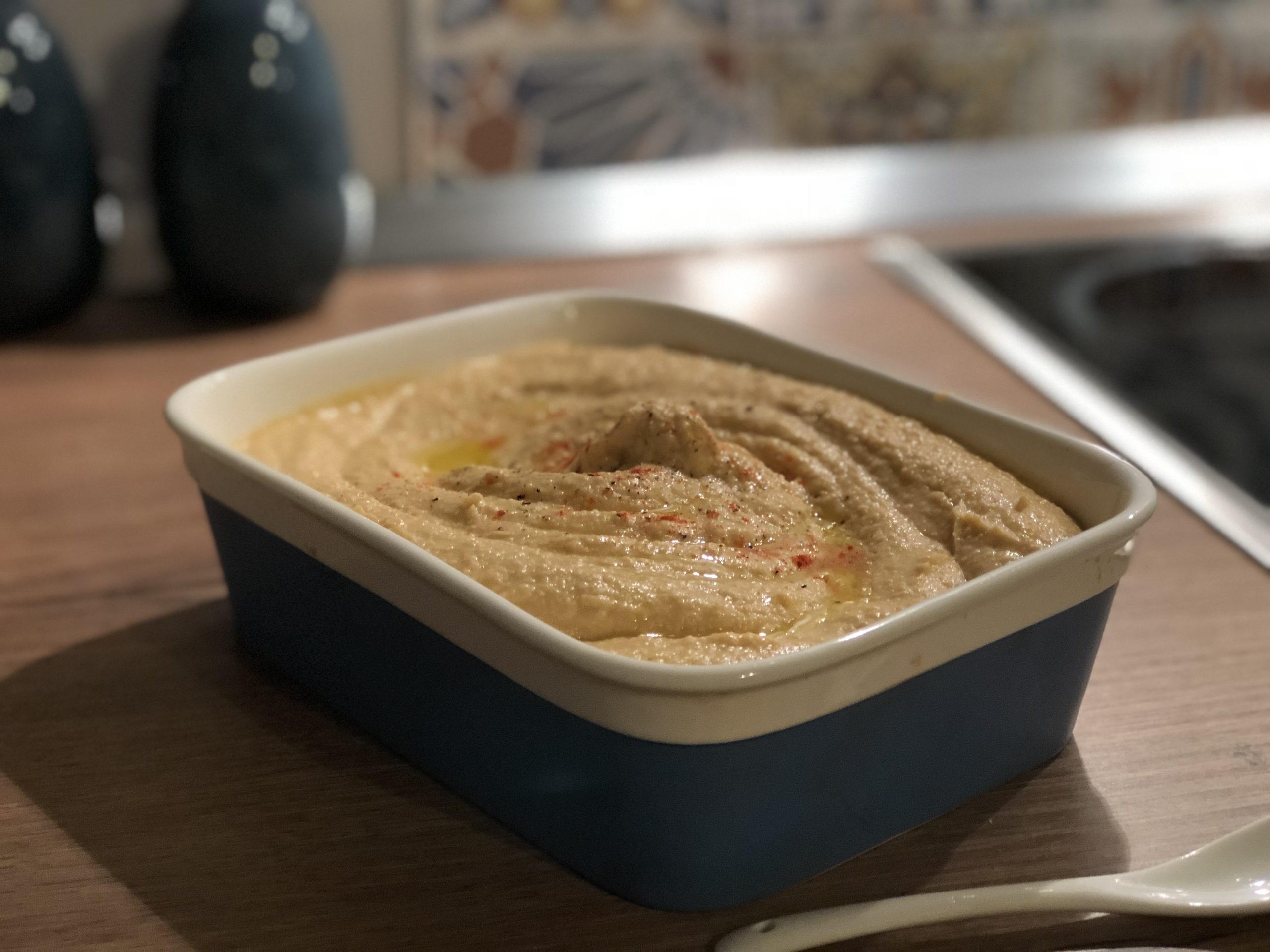
Simple homemade hummus. A can of chickpeas turns into a bowl of hummus in two minutes. With bread and a tomato, that's dinner. Especially in summer when even turning the stove on feels like work. Heavy on the calories, filling, tangy, fun and can be shared with others.
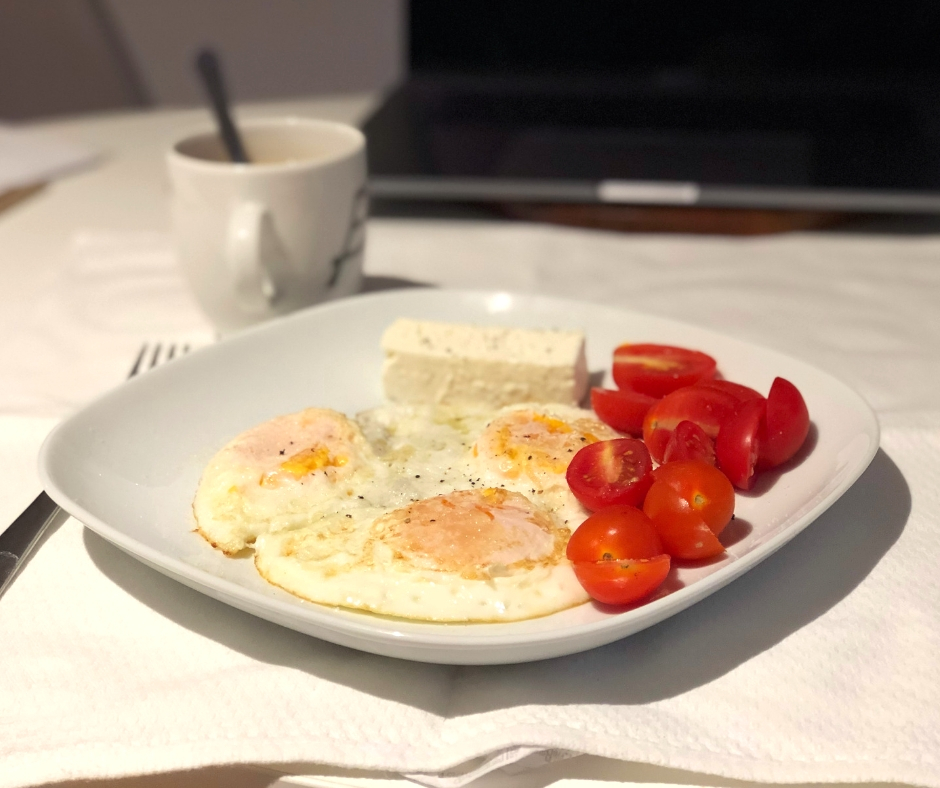
Eggs, cheese, tomatoes. Not one recipe. A principle. Half my student dinners and half my dinners now live in this triangle. Eggs scramble into anything. Cheese melts onto anything. Tomatoes make anything taste like more than it is.
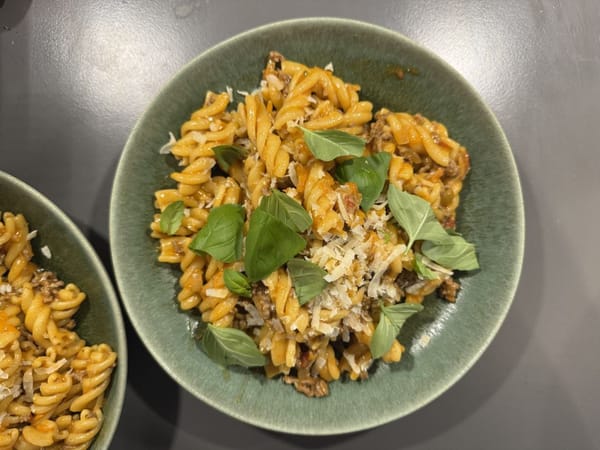
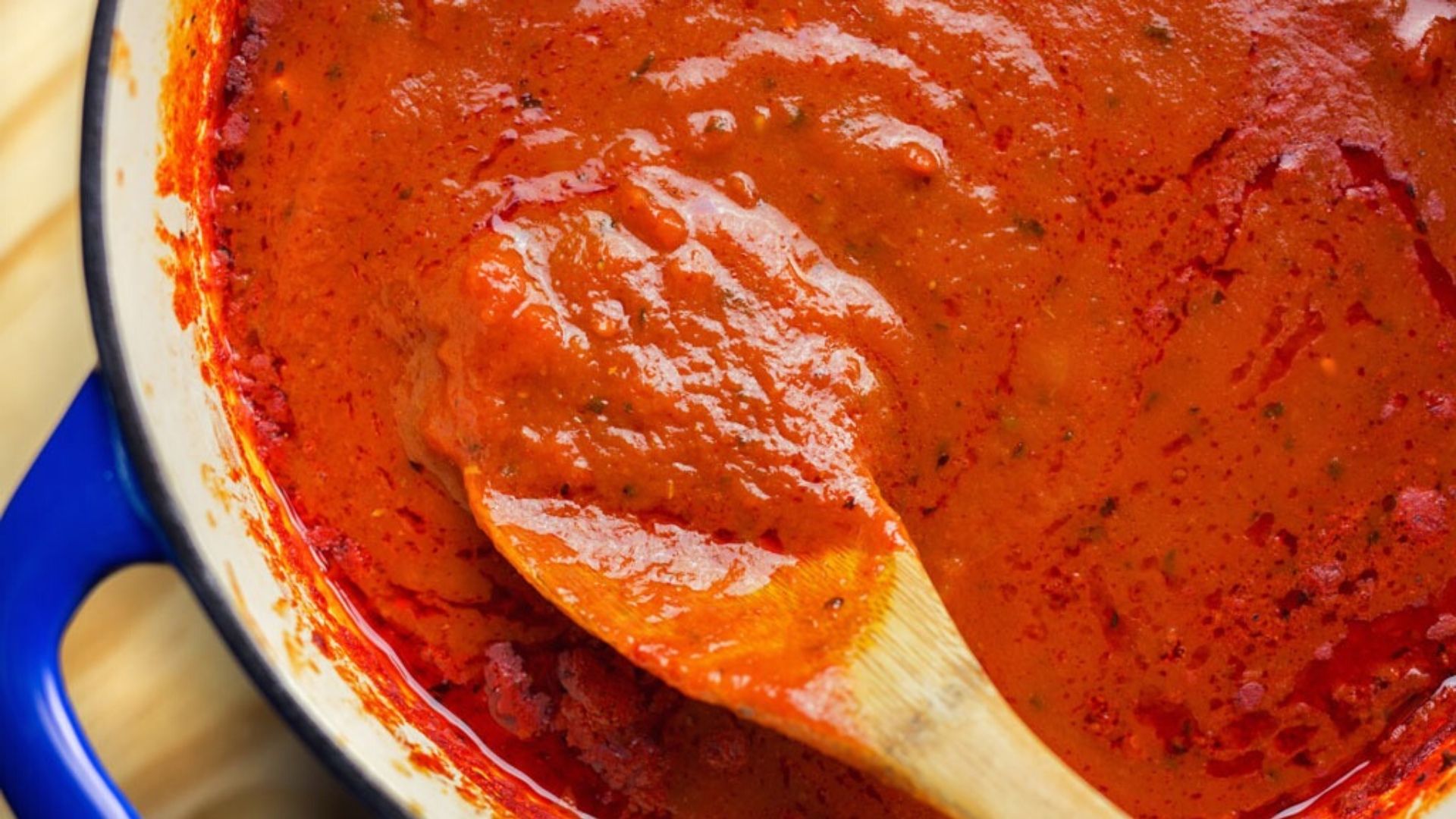
Marinara night. Make the sauce from a can of tomatoes, garlic, olive oil, dried herbs. Boil pasta. Done. The sauce freezes well, so it's two more dinners pre-built whenever you make it.
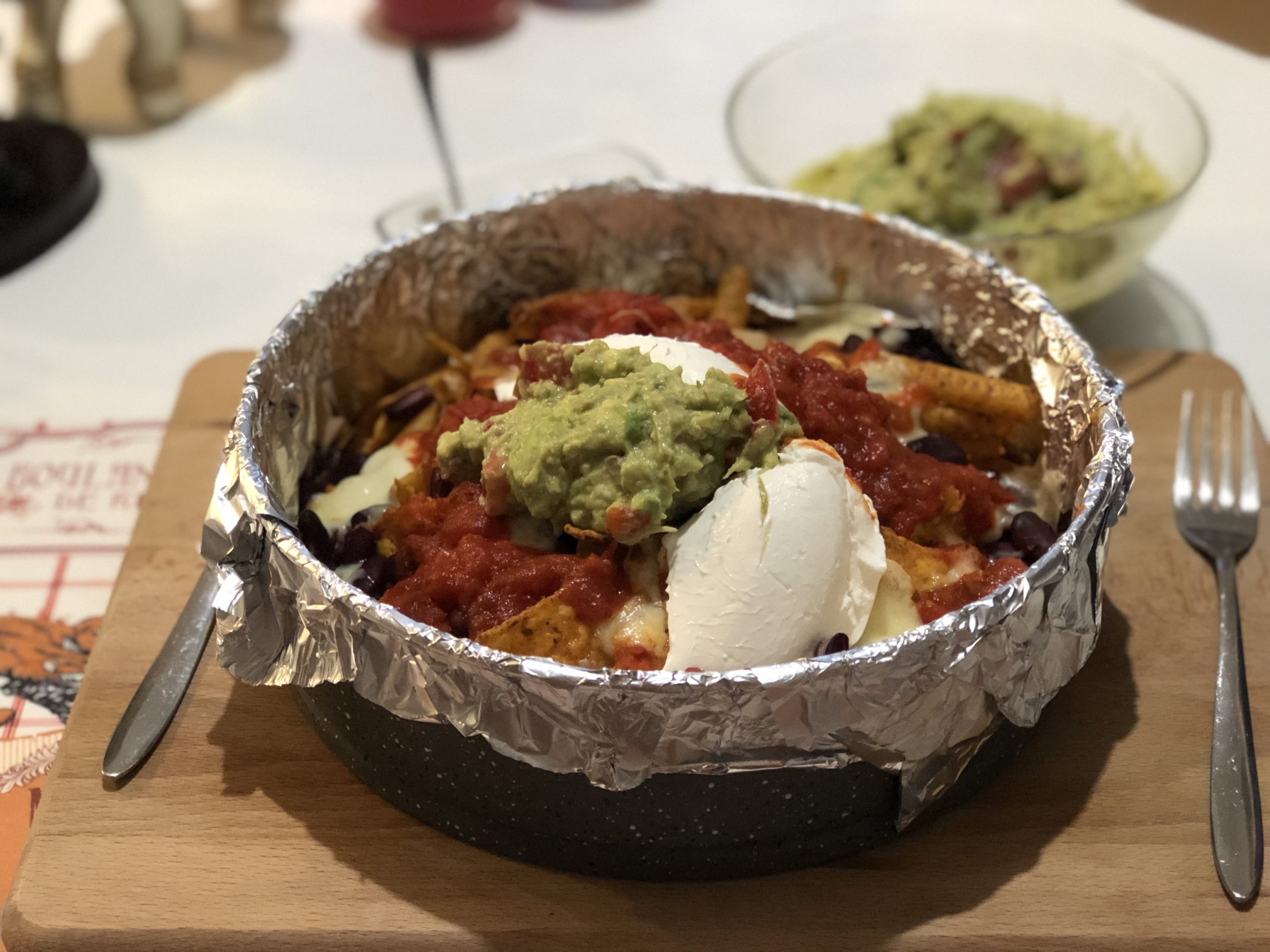
Cheesy nachos. Tortilla chips, a tin of black beans, melted cheese, whatever salsa is around. Technically dinner if you eat enough. I will not be judged on this.
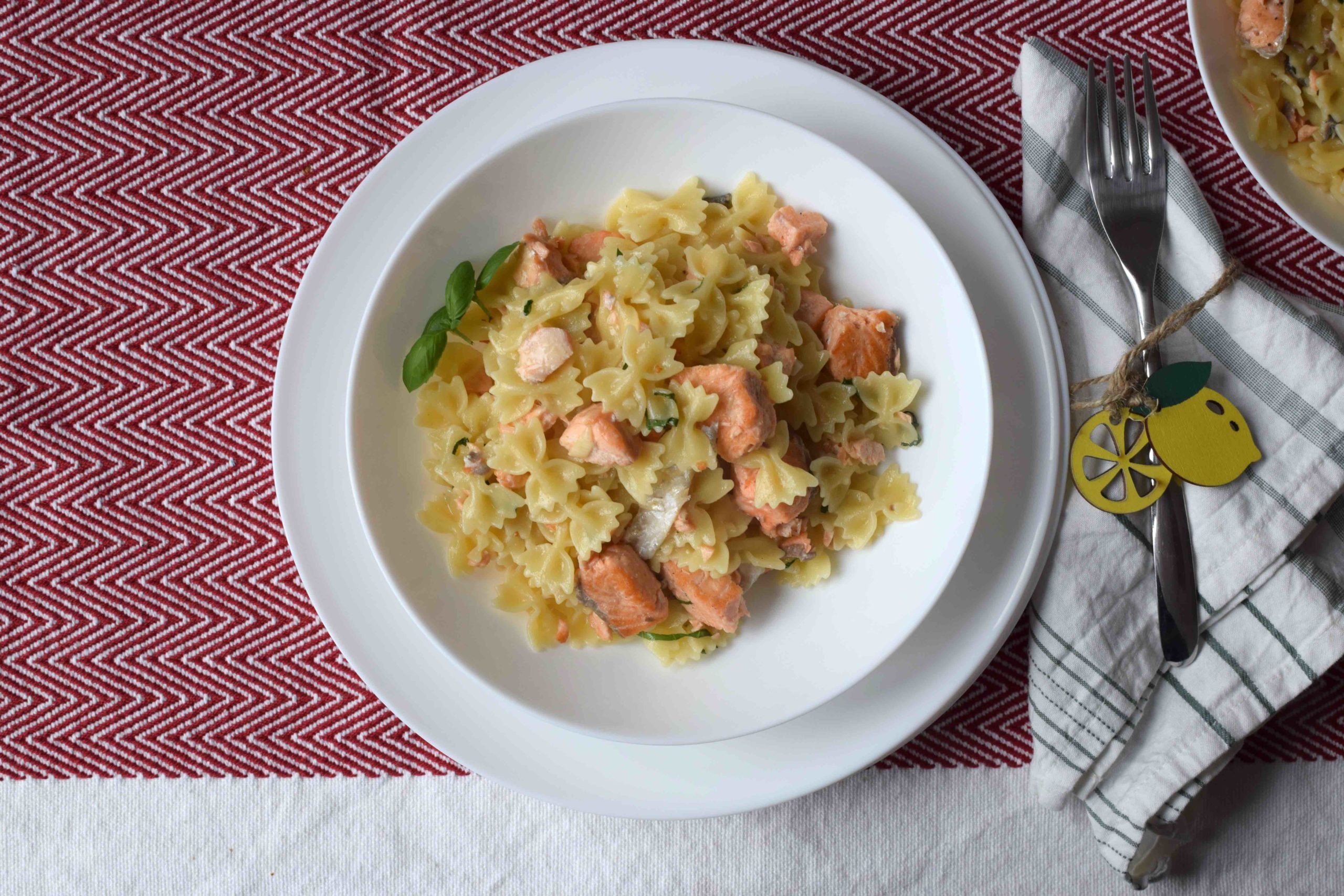
Salmon pasta with canned salmon. The upgrade from the tuna pasta. A tin of decent canned salmon or even a discounted portion of salmon that goes bad today from the supermarket, pasta, butter, lemon, pepper. Costs maybe twice what tuna pasta costs and tastes worth it on a Friday.
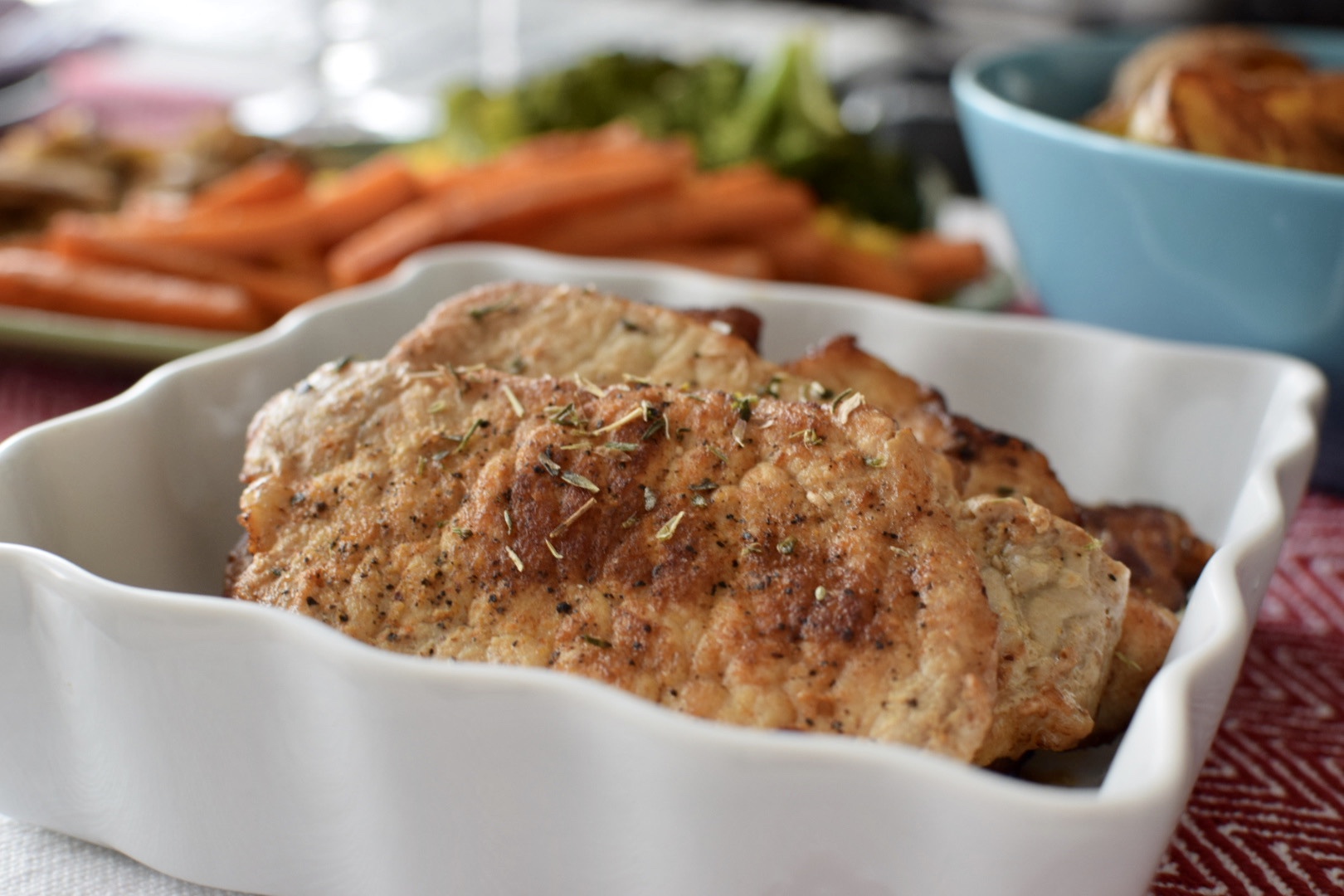
Pan-fried pork fillet. Pork fillet is one of the cheapest cuts you can buy in most European supermarkets. Salt it, hot pan, four minutes a side, rest. Looks expensive on the plate, isn't.
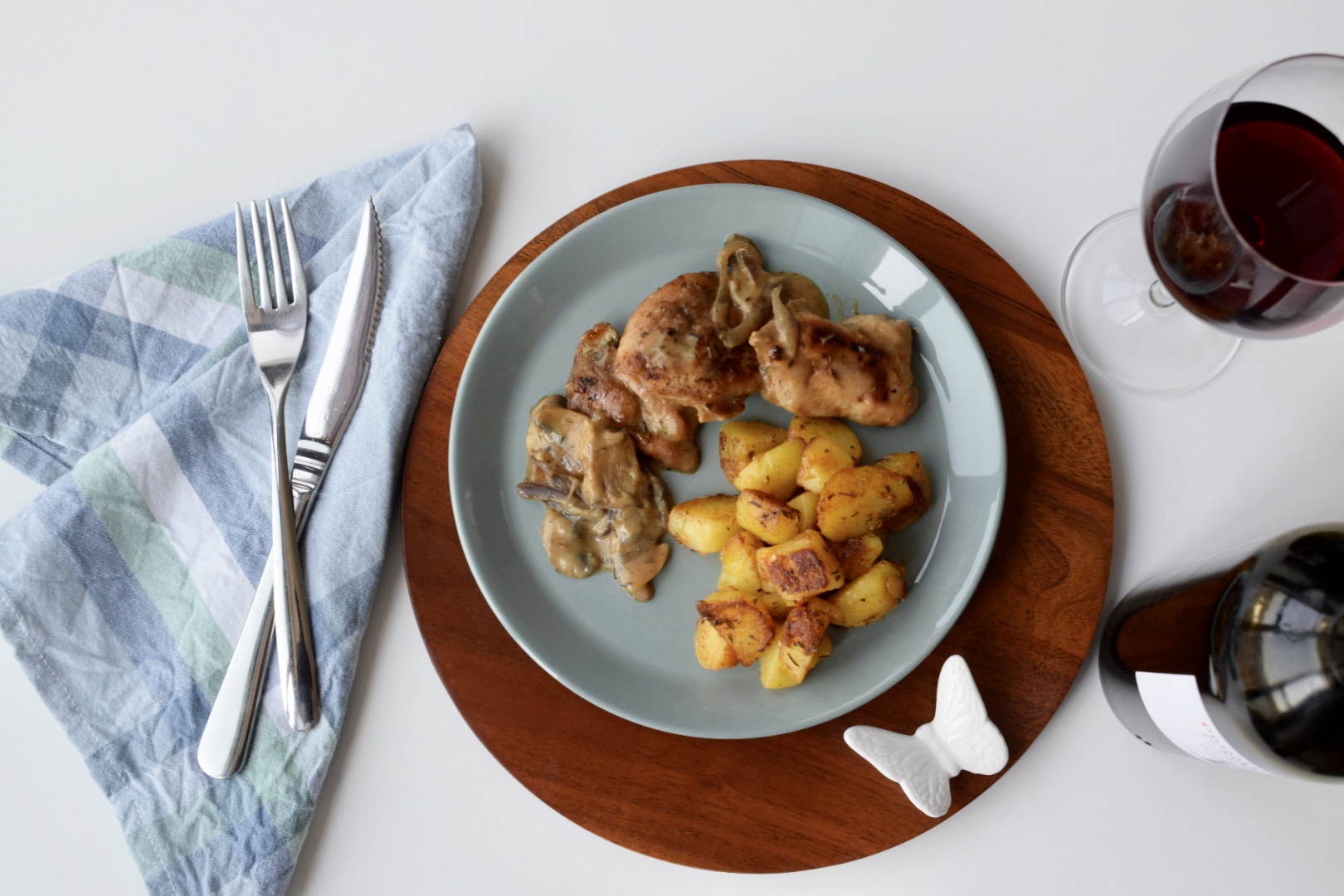
Pan-fried chicken with mushroom sauce. Chicken thighs, mushrooms, a splash of cream, a splash of stock. Slightly more expensive than the others but feels like an actual restaurant meal. Reserve for the weeks where you got paid, or when you are trying to make a nice impression (wink wink).
That's twelve. There are more. These are the ones that go into rotation without me thinking, and most of them date back to that Sofia kitchen.
The single-portion problem
The thing nobody talks about in cheap-meals lists is that most of the recipes "serve four". A solo student doesn't want four servings. They want one dinner that doesn't waste half a tin of something they'll forget about in the fridge.
A few habits that solved this for me:
- Cook in halves, not quarters. A can of tomatoes is half a recipe. Use the whole can. Don't try to use a quarter and then watch the rest go grey.
- Eggs absorb leftovers. Half an onion, a forgotten tomato, the heel of a cheese block. All of it goes into a pan with two eggs and becomes dinner. The egg is the most flexible cheap ingredient there is.
- Pasta water is a tool. Cooking less pasta means cooking less starchy water. Both of them are useful. The water makes sauces. The pasta is the dinner.
- Buy small loaves. A small bread costs more per gram and saves you more than the difference because you eat all of it before it's stale. Same logic for cheese.
- Freeze the half you didn't use. Half a chicken breast, half a sausage, half an open pesto jar. The freezer is the single-portion cook's best friend.
The single-portion problem is what makes "cheap student meals" different from "cheap meals". Family-sized recipes are a different sport. The dinners above all work for one with no extra work.
What cheap student cooking actually teaches you
The student version of me thought cheap cooking was a temporary thing. Survive the month, graduate, get a job, eat properly.
Well, the cooking stuck. Tuna pasta is still in my rotation. So is lentil soup, chili, the eggs-cheese-tomatoes triangle. The dinners haven't really changed, ingredients are slightly better, the structure of a weeknight dinner I'd actually want to eat looks almost identical to what I cooked at twenty in a kitchen with a "technically not allowed" plug burner and a kettle (oh that poor kettle).
Cheap student cooking is just cooking, made honest. It teaches you proportion, what flavour comes from, what's worth paying for and what isn't, and how to feed yourself without ordering something. Those skills don't expire when the student loan does.
If you're a student now, or you used to be one and the habit lingers, the twelve dinners above will feed you well on whatever budget you're working with. Most of them I cook in a kitchen that has an oven and a full fridge. The ptsd-of-lentil-soup era is over, but the lentil soup itself is still the lentil soup.
Some other readings: pantry meals for what to keep on the shelf so dinner is already there, no-oven dinners for what to cook when the kitchen is small, and easy meals to make in a hotel kitchenette if you're cooking somewhere temporary.